
What Is Independent Inspection?
Independent scrap inspection refers to the evaluation of scrap materials by a neutral third party that has no financial or operational involvement in the transaction between buyer and seller. Unlike inspections conducted by exporters, importers, or affiliated agents, independent inspection agencies operate without vested interest in the outcome of the trade.
In the global scrap trade, where shipments often cross multiple borders and involve high volumes, independence is not a theoretical concept—it is a practical necessity. Scrap quality, contamination levels, and regulatory compliance cannot be assessed objectively by parties who benefit from shipment approval. Independent inspection ensures that findings are based solely on observable facts and regulatory standards.
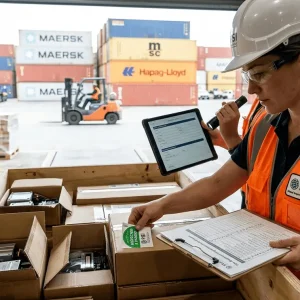
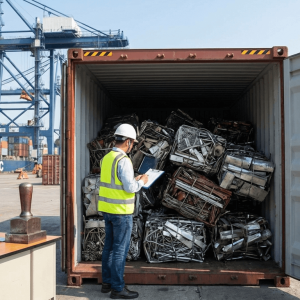
An independent scrap inspection agency is engaged to verify material condition, grade accuracy, and compliance with export and import regulations before shipment. These inspections are typically conducted at the exporter’s facility or container stuffing location and are documented through formal reports and certificates.
Key characteristics of independent inspection include:
- No ownership or financial interest in the scrap being traded
- No influence from buyers or sellers on inspection outcomes
- Objective reporting based on physical verification
- Adherence to international and destination-country standards
This independence protects all stakeholders. Exporters avoid accusations of misrepresentation, importers gain confidence in received cargo, and customs authorities rely on credible third-party verification.
In practice, independent inspection shifts trust away from commercial promises and toward verifiable compliance. It creates a neutral reference point in transactions where disputes are otherwise common.
Conflict-Free Certification
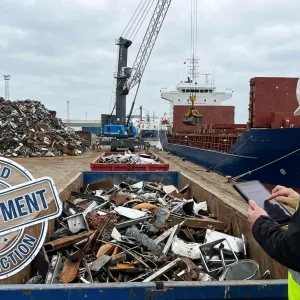
One of the most critical advantages of using an independent scrap inspection agency is the issuance of conflict-free certification. Certification issued by parties involved in the trade often lacks credibility because of inherent bias. Independent certification removes this concern entirely.
Conflict-free certification means the inspection outcome is unaffected by commercial pressure. Inspectors are not incentivized to “pass” shipments to maintain business relationships. Their responsibility is to accuracy, not convenience. This distinction becomes especially important when shipments contain borderline material or require corrective action.
Independent certification typically includes:
- Verification of declared scrap grade and composition
- Confirmation of absence of prohibited or hazardous materials
- Assessment of contamination and cleanliness levels
- Validation of documentation accuracy
Each element is documented through inspection reports, photographs, and sealed container records. This creates a transparent audit trail that can be presented to customs authorities or buyers if questions arise.
Conflict-free certification also plays a vital role in dispute resolution. When disagreements occur regarding shipment quality or compliance, an independent certificate serves as an impartial reference. This often prevents disputes from escalating into financial losses or legal conflict.
Over time, exporters who consistently use independent inspection agencies develop stronger credibility in global markets. Buyers become more willing to engage in repeat transactions when they trust the certification process, not just the seller.
Acceptance by Customs Authorities
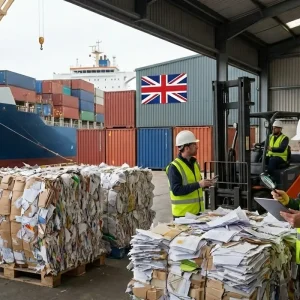
Customs authorities worldwide rely heavily on third-party verification to manage risk in cross-border trade. Independent scrap inspection agencies are a critical part of this system. Their reports and certificates provide customs officials with assurance that shipments have been evaluated by neutral professionals before departure.
In many importing countries, customs clearance is significantly faster when supported by independent inspection documentation. Authorities treat such certification as a first layer of compliance verification, reducing the need for intrusive inspections at the port of arrival.
Acceptance by customs authorities is driven by:
- Independence of the inspection agency
- Technical competence of inspectors
- Consistency in inspection methodology
- Alignment with regulatory requirements
Independent inspection agencies that follow internationally recognized procedures and destination-country regulations are far more likely to have their certificates accepted without question.
This acceptance has tangible benefits. Shipments clear faster, demurrage charges are reduced, and logistics planning becomes more predictable. For exporters operating on tight margins, these efficiencies directly impact profitability.
From a compliance perspective, independent inspection also reduces the likelihood of penalties. When customs authorities identify non-compliance, having an independent inspection record demonstrates due diligence, often mitigating enforcement action.
In essence, independent inspection agencies act as trusted intermediaries between commercial trade and regulatory oversight.
Benefits for Importers & Exporters
Independent scrap inspection delivers value to both sides of the transaction. While exporters benefit from smoother clearance and reduced risk, importers gain confidence in the quality and legality of received material.
For exporters, independent inspection provides:
- Reduced risk of shipment rejection
- Improved credibility with international buyers
- Protection against post-shipment disputes
- Demonstrable regulatory compliance
Exporters who rely solely on internal checks often face skepticism from buyers. Independent certification removes doubts and supports transparent trade.
For importers, the benefits are equally compelling:
- Assurance that scrap matches contractual specifications
- Reduced exposure to regulatory violations
- Faster customs clearance
- Lower risk of hidden contamination
Independent inspection also improves long-term relationships. When both parties trust the inspection process, negotiations become smoother and disputes less frequent.
Ultimately, independent inspection aligns incentives. Exporters focus on compliance, importers focus on utilization, and inspection agencies focus on verification. This balance supports sustainable trade rather than short-term gain.
Export Compliance Challenges
Scrap exports are subject to complex regulatory frameworks that vary by country and material type. Navigating these requirements without independent oversight is challenging and often risky. Export compliance failures frequently arise from misunderstanding or underestimating regulatory expectations.
Common compliance challenges include misclassification of scrap, presence of prohibited materials, and inadequate documentation. These issues are often discovered only at destination ports, where corrective action is costly.
Independent inspection agencies address compliance challenges by:
- Verifying scrap classification against international standards
- Detecting prohibited or hazardous items before shipment
- Ensuring documentation matches physical cargo
- Aligning inspection scope with destination regulations
By identifying issues early, inspection agencies allow exporters to correct problems before shipment. This proactive approach significantly reduces compliance risk.
Export compliance is not static. Regulations evolve, and inspection agencies stay updated on changes across multiple jurisdictions. This knowledge is difficult for individual exporters to maintain internally, making third-party inspection a practical necessity
Inspection Scope & Reporting
The scope of third-party scrap inspection extends beyond visual checks. Comprehensive inspection covers material condition, regulatory compliance, and documentation accuracy. The goal is to create a complete compliance snapshot of the shipment.
Inspection scope typically includes:
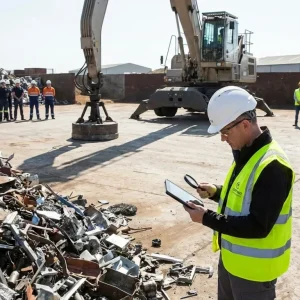
- Physical examination of scrap materials
- Verification of grade, composition, and cleanliness
- Contamination and moisture assessment
- Container sealing and photographic evidence
Each inspection concludes with a detailed report outlining findings, observations, and compliance status. Reports are supported by photographs and seal records, creating a transparent compliance trail.
Clear reporting is essential. Customs authorities and buyers rely on inspection reports to make decisions quickly. Ambiguous or incomplete reports undermine trust and can delay clearance.
Independent inspection agencies prioritize clarity, consistency, and traceability in reporting. This professionalism distinguishes credible agencies from informal surveyors.
PSIC & DGFT Alignment
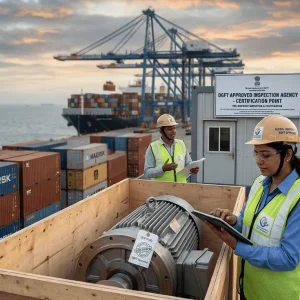
For exports to regulated markets such as India, alignment with PSIC (Pre-Shipment Inspection Certificate) and DGFT requirements is mandatory. Independent inspection agencies authorized under DGFT frameworks play a critical role in this process.
PSIC inspections focus on preventing prohibited items from entering importing countries. DGFT guidelines define inspection scope, documentation format, and certification requirements. Independent agencies that comply with these standards are trusted by Indian customs authorities.
Alignment with PSIC and DGFT provides:
- Faster customs clearance
- Reduced risk of inspection duplication
- Legal compliance assurance
- Enhanced buyer confidence
Independent agencies understand that PSIC is not merely a certificate—it is a compliance process. Inspectors follow prescribed procedures, maintain records, and issue certificates that withstand regulatory scrutiny.
For exporters, PSIC alignment eliminates uncertainty. For importers, it ensures shipments meet national safety and environmental standards.
Conclusion
Independent scrap inspection is not an added expense—it is a strategic investment in compliance, credibility, and continuity. In a global trade environment defined by regulatory scrutiny and commercial pressure, independence ensures objectivity and trust.
By choosing an independent scrap inspection agency, exporters and importers protect themselves from compliance failures, disputes, and reputational damage. Independent inspection transforms scrap trade from a risk-prone activity into a structured, predictable operation.
In the long run, independence is what sustains global scrap trade—ensuring materials move safely, legally, and transparently across borders.