Why Paper Waste Inspection Has Become Essential
Global trade in recyclable paper has grown steadily over the past three decades. Paper waste that once remained within local recycling streams now moves across continents to feed pulp mills and paper manufacturing plants. As demand increased, so did regulatory scrutiny.
Paper waste may appear harmless compared to metal scrap, yet it carries significant risks when improperly sorted or contaminated. Municipal waste, plastic residues, medical materials, and non-recyclable substances have been found mixed within shipments labeled as recyclable paper. These incidents prompted governments to strengthen inspection frameworks.
Paper waste inspection services now serve as a frontline compliance safeguard in recycling trade.
For importers, inspection ensures only recyclable, properly graded paper enters domestic mills. For exporters, it protects shipments from rejection, costly delays, and reputational damage. For regulators, it provides documented verification before cargo crosses borders.
Inspection is no longer a courtesy measure. In many jurisdictions, it is a mandatory requirement tied directly to environmental protection policies and international waste management standards.
Types of Paper Waste in International Trade
Understanding the various categories of recyclable paper is the foundation of effective inspection. Not all paper waste is treated equally under regulatory frameworks.
1. Old Corrugated Containers (OCC)
OCC is one of the most widely traded recyclable paper grades. It consists primarily of used corrugated cardboard boxes.
Inspection focus includes:
- Cleanliness and dryness
- Absence of plastic liners
- Removal of non-paper attachments
OCC contamination often arises from food residue or mixed packaging materials.
2. Mixed Paper
Mixed paper includes newspapers, magazines, office paper, and light cardboard. This category presents greater inspection challenges due to variability.
Inspectors examine:
- Proper segregation
- Presence of coated or laminated paper
- Non-paper components
Mixed paper often attracts tighter contamination thresholds.
3. Sorted Office Paper (SOP)
SOP is higher-grade recyclable material consisting of clean, white office paper.
Inspection ensures:
- Minimal ink contamination
- Absence of carbon paper
- Removal of plastic bindings
High-grade materials require stricter visual verification to meet mill specifications.
4. Newspaper and Printed Materials
Newspapers are recyclable but must be free from inserts, plastic wrapping, or coated materials.
Inspection confirms:
- Uniformity of grade
- Moisture control
- No hazardous attachments
Each paper waste category requires specialized inspection understanding. A one-size-fits-all approach is inadequate in recycling trade.
Why Classification Accuracy Matters
Incorrect classification can result in:
- Customs delays
- Contract disputes
- Mill rejection
- Financial loss
Proper paper waste inspection services verify declared grade against actual cargo condition. This protects both exporter and importer from misrepresentation claims.
Clear classification also ensures alignment with importing country regulations.
Paper Waste Inspection for Recycling Imports
When paper waste crosses borders for recycling purposes, inspection serves two essential roles: environmental protection and trade facilitation.
Environmental Safeguard
Importing countries must prevent:
- Entry of municipal waste disguised as recyclable paper
- Hazardous materials hidden in paper bales
- Excessive contamination beyond regulatory thresholds
Inspection confirms that cargo qualifies as recyclable material, not solid waste.
Commercial Assurance
Paper mills rely on consistent feedstock quality. Contaminated or misgraded paper waste disrupts production efficiency and increases disposal costs.
Inspection provides documented assurance that shipments meet contractual standards.
Typical Recycling Import Inspection Process
Paper waste inspection for recycling generally includes:
- Documentation Review
- Invoice verification
- Packing list confirmation
- Grade declaration check
- Invoice verification
- Physical Examination
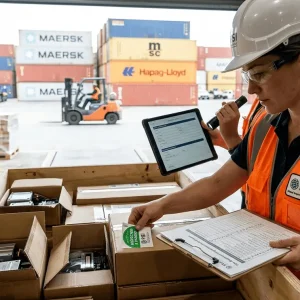
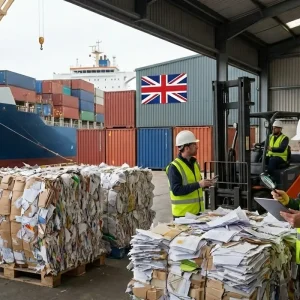
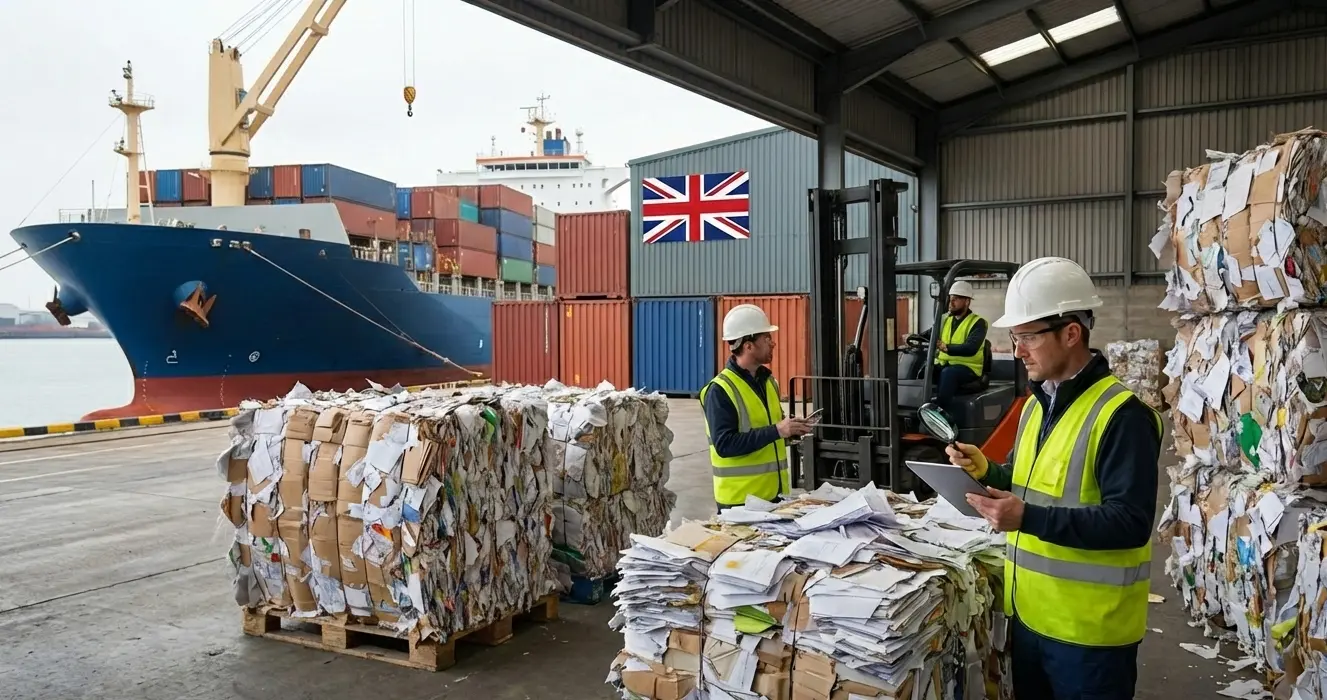
- Visual inspection of paper bales
- Random sampling
- Segregation verification
- Visual inspection of paper bales
- Contamination Assessment
- Identification of foreign materials
- Moisture evaluation
- Detection of restricted waste
- Identification of foreign materials
- Loading Supervision
- Container stuffing oversight
- Bale arrangement verification
- Seal application and documentation
- Container stuffing oversight
- Certification Issuance
- Inspection report
- Photographic evidence
- Scrap paper inspection certificate
- Inspection report
A structured approach ensures consistency and regulatory acceptance.
Recycling-Specific Standards
Recycling imports are governed by both environmental law and trade regulations.
International Waste Movement Rules
Many countries follow international waste movement guidelines designed to prevent illegal dumping. Paper waste must meet defined criteria to qualify as recyclable material.
Inspection confirms:
- Recyclability
- Proper sorting
- Non-hazardous status
Mill Specifications
Beyond regulatory compliance, mills impose internal quality requirements.
Inspection verifies:
- Acceptable moisture levels
- Bale integrity
- Consistent grade composition
Failure to meet mill standards can result in commercial rejection even if customs clears the cargo.
Why Standards Continue to Tighten
Environmental awareness has increased significantly. Governments now scrutinize waste imports more aggressively.
Common regulatory concerns include:
- Plastic contamination
- Coated and laminated paper
- Chemical residues
- Mixed household waste
Paper waste inspection services bridge the gap between trade needs and environmental responsibility.
Contamination Control in Paper Waste Shipments
Contamination control is the most critical element of paper waste inspection.
Even minor contamination can:
- Reduce recyclability
- Increase processing costs
- Trigger regulatory penalties
Common Contaminants in Paper Waste
Inspectors frequently encounter:
- Plastic films
- Metal staples and bindings
- Food residue
- Wax-coated cardboard
- Synthetic laminates
- Non-paper packaging
Proper inspection identifies these issues before shipment.
Waste Paper Contamination Control Measures
Effective inspection practices include:
- Random bale opening
- Visual grading assessment
- Moisture detection
- Foreign object identification
Inspectors evaluate contamination levels against acceptable thresholds defined by regulations and mill requirements.
Consequences of Poor Contamination Control
Shipments with excessive contamination may face:
- Port detention
- Mandatory re-export
- Destruction orders
- Financial penalties
Inspection minimizes these risks by ensuring compliance prior to shipment.
Paper Waste Inspection Standards Explained
Inspection standards form the backbone of legitimate recycling trade.
DGFT & Environmental Norms
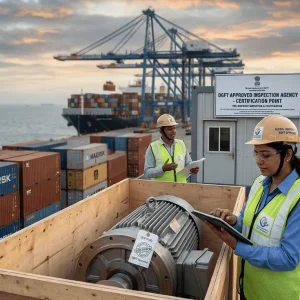
In countries like India, DGFT paper waste inspection requirements mandate pre-shipment inspection through authorized agencies.
Compliance ensures:
- Legal importation
- Environmental conformity
- Documentation validity
Other jurisdictions enforce similar environmental oversight mechanisms.
Restricted Materials in Paper Waste Trade
Restricted materials often include:
- Municipal solid waste
- Biomedical waste
- Hazardous chemical residues
- Mixed plastics
- Radioactive materials
Paper waste inspection standards strictly prohibit such content.
Inspectors must document absence of restricted materials clearly.
Certification Requirements
A scrap paper inspection certificate typically includes:
- Inspection agency details
- Shipment description
- Bale count and weight
- Contamination findings
- Compliance declaration
Certification must align with importing country guidelines to be accepted at customs.
Third Party Paper Inspection: Why Independence Matters
Third party paper inspection adds credibility to certification.
Independent agencies provide:
- Neutral assessment
- Objective reporting
- Reduced conflict of interest
Governments and customs authorities place greater trust in third-party documentation compared to exporter self-declaration.
Inspection independence supports regulatory transparency.
Pre-Shipment Inspection for Paper Waste
Pre-shipment inspection ensures compliance before cargo departs the export location.
Advantages include:
- Correction of issues prior to loading
- Reduced port-level intervention
- Faster customs clearance
- Lower demurrage risk
Once cargo reaches destination, corrective action becomes far more costly.
Early inspection protects trade flow.
Certification and Customs Verification
Customs authorities rely heavily on inspection certificates when clearing paper waste imports.
They verify:
- Issuing agency authorization
- Shipment consistency
- Compliance declaration
- Supporting documentation
Any mismatch between certificate details and shipping documents may result in clearance delays.
Inspection must be thorough and accurate.
Practical Benefits of Professional Paper Waste Inspection Services
Engaging professional inspection services provides measurable advantages:
- Reduced rejection risk
- Stronger buyer confidence
- Regulatory peace of mind
- Protection of brand reputation
- Sustainable recycling practices
Inspection supports responsible trade while preserving environmental integrity.
The Future of Paper Waste Inspection
As recycling volumes grow, inspection frameworks will evolve.
Likely developments include:
- Digital inspection records
- Enhanced contamination analytics
- Real-time documentation verification
- Stricter environmental compliance
Despite technological advancement, the fundamental principle remains unchanged: verify quality before shipment.
Traditional inspection discipline continues to safeguard global recycling trade.
Frequently Asked Questions (Schema-Optimized Format)
What is paper waste inspection?
Paper waste inspection is a pre-shipment verification process ensuring recyclable paper meets environmental and regulatory standards before export.
Why is contamination control important in paper waste trade?
Contamination reduces recyclability, increases processing costs, and may cause cargo rejection at customs.
Is pre-shipment inspection mandatory for paper waste imports?
In many countries, yes. Regulations require inspection through authorized agencies before shipment.
What does a scrap paper inspection certificate include?
It includes shipment details, contamination findings, compliance declarations, and inspection agency authorization.
Can paper waste shipments be rejected after arrival?
Yes, if contamination exceeds allowable limits or certification is invalid.
Final Thoughts
Paper waste inspection services play a decisive role in modern recycling trade. They protect importing nations from environmental harm, shield exporters from costly rejection, and preserve the credibility of legitimate recycling operations.
Paper waste may seem simple, but global regulations demand precision, accountability, and documented verification. Inspection ensures that recyclable material remains just that—recyclable.
In a world increasingly focused on sustainability and responsible trade, structured inspection before shipment is not a regulatory burden. It is the mechanism that keeps recycling honest, efficient, and globally trusted.