Why Pre-Shipment Inspection Has Become Essential
International trade today is built on precision, compliance, and trust. Goods move across borders in large volumes, often under strict regulatory frameworks that leave little room for error. Among all commodities, scrap materials stand out as one of the most scrutinized due to their variability and potential risks.
A pre-shipment inspection agency plays a central role in ensuring that shipments meet regulatory, contractual, and safety requirements before they leave the exporting country. This is particularly critical in scrap trade, where contamination, misclassification, and hidden hazards can lead to serious consequences.
Pre-shipment inspection is no longer an optional layer of quality control. It has become a structured compliance mechanism that supports:
- Regulatory adherence
- Environmental protection
- Trade transparency
- Risk reduction
For exporters, inspection protects shipments from rejection. For importers, it guarantees that goods meet expectations. For customs authorities, it provides credible third-party verification.
The presence of a qualified inspection agency ensures that trade is conducted with accountability rather than assumption.
Pre-Shipment Inspection Agency in the UK: Exporter’s Guide
The United Kingdom remains one of the most prominent hubs for scrap export. With well-developed recycling infrastructure and strict environmental standards, UK-origin scrap is widely accepted in global markets. However, this reputation depends heavily on compliance.
UK Export Compliance
Exporting scrap from the UK requires adherence to both domestic regulations and importing country requirements. These regulations are designed to ensure that exported materials are safe, recyclable, and accurately declared.
A pre-shipment inspection agency UK operates within this regulatory framework to verify compliance before shipment.
Key compliance areas include:
- Classification of scrap as non-hazardous waste
- Alignment with export documentation
- Adherence to environmental regulations
- Compliance with destination country import laws
Inspection agencies bridge the gap between UK export requirements and international trade expectations.
Without proper inspection, exporters risk:
- Shipment rejection at destination ports
- Legal penalties
- Loss of business relationships
A structured inspection process ensures that these risks are addressed at origin rather than at the point of import.
Inspection Booking Process
The effectiveness of inspection begins with proper planning. Booking a pre-shipment inspection is not a last-minute task—it must be integrated into the export workflow.
Step-by-Step Inspection Booking
- Selection of Inspection Agency
Exporters must choose an authorized and experienced inspection agency capable of meeting destination requirements. - Submission of Inspection Request
Details typically include:- Exporter and importer information
- Scrap type and grade
- Quantity and packaging details
- Inspection location
- Document Preparation
Required documents include:- Commercial invoice
- Packing list
- Purchase contract
- Scrap grade declaration
- Inspection Scheduling
The agency assigns inspectors and confirms inspection timing based on shipment readiness. - On-Site Inspection Execution
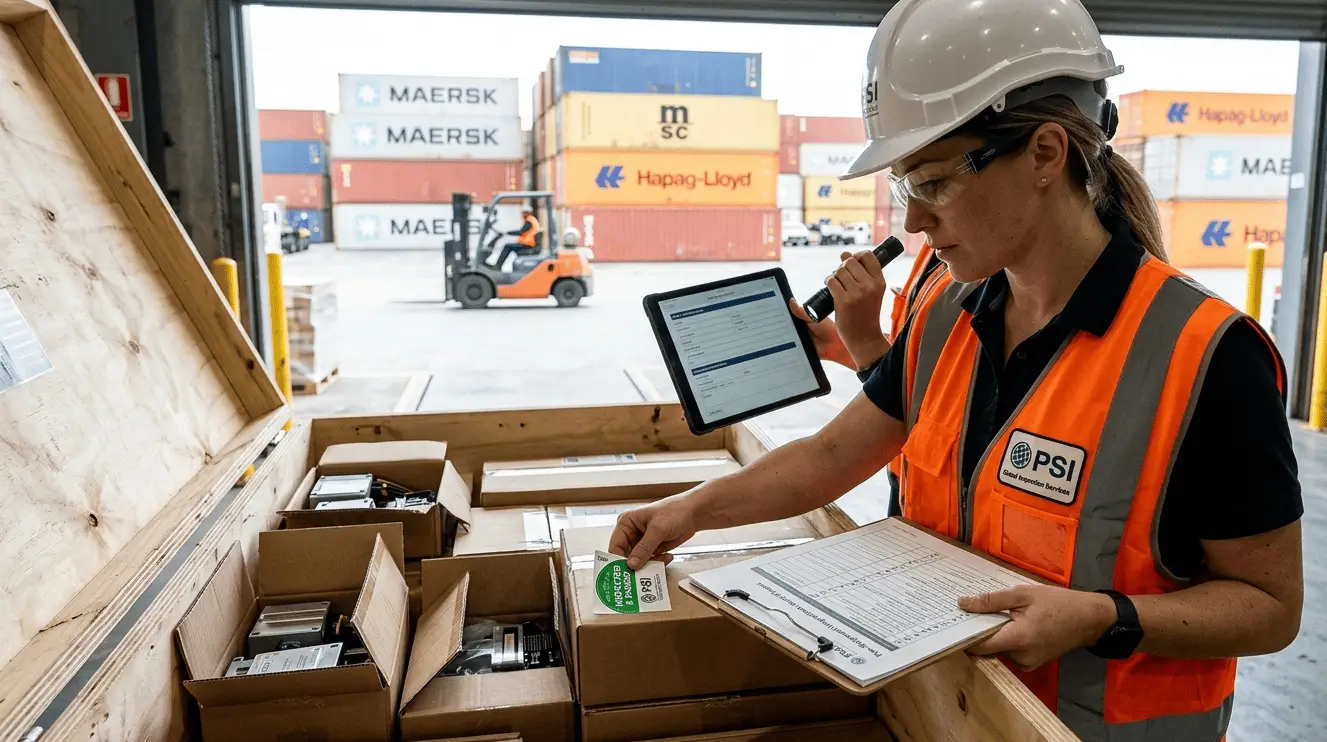
Inspectors conduct physical verification, contamination checks, and documentation review. - Reporting and Certification
Inspection findings are documented, and certificates are issued upon compliance.
Common Booking Mistakes
Exporters often encounter delays due to:
- Booking inspection after container sealing
- Providing incomplete documentation
- Misdeclaring scrap grades
- Ignoring inspection timelines
Proper coordination between logistics and inspection ensures smooth execution.
Global Acceptance of UK Inspection Agencies
One of the strongest advantages of working with a UK-based inspection agency is global acceptance.
Inspection reports issued by reputable UK agencies are widely recognized by:
- Customs authorities
- International buyers
- Regulatory bodies
This acceptance leads to:
- Faster customs clearance
- Reduced inspection duplication
- Lower risk of disputes
UK inspection agencies are known for their adherence to international standards, making them trusted partners in global trade.
International Pre-Shipment Inspection Agency for Scrap Trade
As scrap trade expands globally, the need for international inspection coverage has become increasingly important.
Why International Coverage Matters
Scrap shipments often originate from multiple locations and are exported to diverse markets. Each destination may have unique regulatory requirements.
An international pre-shipment inspection agency provides:
- Consistent inspection standards across regions
- Faster scheduling at multiple export locations
- Familiarity with local and international regulations
This ensures that shipments meet compliance requirements regardless of origin.
Multi-Country Inspection Challenges
Operating across multiple countries introduces several challenges:
Regulatory Variations
Different countries impose different rules regarding:
- Contamination thresholds
- Prohibited materials
- Documentation formats
Inspection agencies must stay updated on these variations to ensure compliance.
Logistics Coordination
Inspection scheduling becomes complex when dealing with:
- Multiple shipment locations
- Tight shipping timelines
- Diverse supply chains
Efficient coordination is essential to avoid delays.
Cultural and Operational Differences
Inspection practices may vary depending on local conditions. Agencies must adapt while maintaining consistency.
MELT’s Global Network
An international inspection agency with a strong global network offers significant advantages.
Capabilities include:
- Presence in key export regions
- Standardized inspection procedures
- Rapid response to inspection requests
- Consistent reporting formats
Global networks ensure that inspection quality remains uniform, regardless of location.
Role of Pre-Shipment Inspection in Scrap Trade
Scrap trade presents unique challenges that require specialized inspection expertise.
Key Risks in Scrap Shipments
- Mixed or misdeclared grades
- Contamination by non-recyclable materials
- Presence of hazardous items
- Moisture-related issues
Pre-shipment inspection identifies and addresses these risks before shipment.
Inspection Scope for Scrap
A comprehensive inspection typically includes:
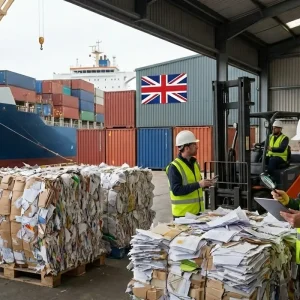
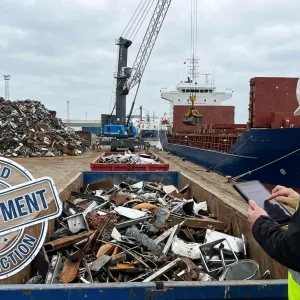
- Visual examination of scrap material
- Verification of grade and composition
- Contamination assessment
- Detection of prohibited items
- Container inspection and sealing
Each stage is documented to ensure traceability.
Certification and Documentation
Inspection agencies issue:
- Scrap inspection certificates
- Pre-shipment inspection certificates (PSIC)
- Detailed inspection reports
These documents are critical for customs clearance and buyer assurance.
Benefits of Using a Pre-Shipment Inspection Agency
Engaging a professional inspection agency provides measurable benefits:
For Exporters
- Reduced rejection risk
- Improved compliance
- Faster payment cycles
- Stronger buyer relationships
For Importers
- Assurance of cargo quality
- Reduced regulatory risk
- Faster clearance
- Lower inspection costs at destination
For Regulators
- Enhanced compliance monitoring
- Reduced illegal trade
- Environmental protection
Inspection aligns the interests of all stakeholders.
Third Party Inspection: Building Trust in Trade
Third party inspection agencies operate independently, ensuring unbiased evaluation.
Their role includes:
- Verifying compliance without commercial influence
- Providing credible documentation
- Supporting dispute resolution
Independence is a key factor in gaining acceptance from customs authorities and buyers.
Common Mistakes in Pre-Shipment Inspection
Despite its importance, many exporters make avoidable mistakes:
- Choosing inexperienced inspection agencies
- Ignoring regulatory requirements
- Rushing inspections to meet deadlines
- Failing to prepare containers properly
These mistakes often lead to delays, additional costs, and shipment rejection.
Best Practices for Smooth Inspection
To ensure effective inspection:
- Plan inspections early
- Maintain accurate documentation
- Use experienced inspection agencies
- Ensure proper scrap segregation
- Align inspection schedules with shipping timelines
Proactive planning reduces risk and improves efficiency.
The Future of Pre-Shipment Inspection
Inspection practices are evolving with technological advancements.
Future trends include:
- Digital inspection reports
- Real-time documentation tracking
- Advanced contamination detection tools
- Integrated compliance platforms
Despite these innovations, the core principle remains unchanged—inspection before shipment ensures compliance and reliability.
Frequently Asked Questions
What is a pre-shipment inspection agency?
It is an independent organization that verifies goods meet regulatory and quality standards before export.
Why is pre-shipment inspection important in scrap trade?
It prevents shipment rejection, ensures compliance, and protects against contamination and hazards.
How do I choose a reliable inspection agency?
Select an agency with regulatory approval, experience, and global operational capability.
Is pre-shipment inspection mandatory?
In many countries, yes—especially for scrap imports requiring PSIC certification.
What documents are required for inspection?
Invoice, packing list, contract, and scrap grade declaration are typically required.
Final Thoughts
A pre-shipment inspection agency is more than a service provider—it is a critical partner in global trade compliance. In industries like scrap trading, where risks are high and regulations are strict, inspection ensures that shipments meet expectations before they move across borders.
From UK export compliance to international inspection coverage, the role of inspection agencies continues to expand. They provide structure in an otherwise complex trade environment, ensuring that goods are safe, compliant, and ready for global markets.
Businesses that prioritize proper inspection do more than avoid problems—they build credibility, strengthen relationships, and position themselves for long-term success in international trade.