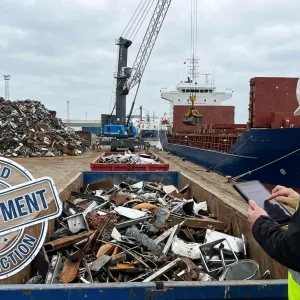

The Role of DGFT in Scrap Trade Regulation
Global scrap trade operates within a tightly regulated environment, and few authorities have as much influence on compliance standards as India’s Directorate General of Foreign Trade (DGFT). For exporters and importers dealing with scrap shipments into India, DGFT approval is not a formality—it is a legal requirement.
Scrap materials, by their nature, carry inherent risks. They may contain hazardous waste, prohibited items, or improperly classified materials. Without structured oversight, these risks can lead to environmental damage, safety hazards, and regulatory violations. DGFT’s framework exists to eliminate these uncertainties before shipments reach Indian ports.
A DGFT approved inspection agency acts as the first line of defense in this process. It ensures that scrap consignments are inspected at origin, verified for compliance, and certified before export. This proactive approach reduces risk not just for Indian authorities but also for exporters and importers engaged in the transaction.
Inspection, under DGFT norms, transforms scrap trade into a controlled and predictable system. It replaces assumptions with documented verification and aligns international suppliers with India’s regulatory expectations.
Why DGFT Approval Matters
Legal Requirement for Scrap Imports
For most categories of scrap imports into India, inspection by a DGFT approved inspection agency is mandatory. This requirement applies to both ferrous and non-ferrous scrap shipments, as well as certain types of recyclable materials.
Without DGFT-approved certification:
- Shipments may be denied entry
- Containers may be held at port
- Import clearance may be refused
DGFT approval ensures that inspection agencies meet specific government standards, follow prescribed procedures, and issue certificates that are legally valid.
Ensuring Safety and Environmental Protection
Scrap imports are closely monitored due to their potential to conceal dangerous materials. These may include:
- Arms and ammunition
- Explosive devices
- Radioactive substances
- Hazardous chemical waste
DGFT-approved agencies are trained to identify such risks during inspection. Their role is not limited to visual checks—they perform systematic verification aligned with regulatory protocols.
This safeguards:
- Public health
- Environmental integrity
- Industrial safety
Standardization of Inspection Practices
DGFT approval creates uniformity across inspection procedures. Agencies must follow standardized inspection guidelines, ensuring consistency regardless of export location.
This includes:
- Defined inspection scope
- Structured documentation formats
- Mandatory photographic evidence
- Traceable reporting processes
Standardization improves trust between trading partners and reduces disputes arising from inconsistent inspection outcomes.
Commercial Confidence in Global Trade
Exporters working with DGFT approved inspection agencies benefit from enhanced credibility. Buyers and importers are more confident in shipments backed by recognized certification.
Advantages include:
- Faster customs clearance
- Reduced inspection duplication
- Stronger buyer relationships
- Lower risk of rejection
DGFT approval effectively acts as a quality assurance benchmark in international scrap trade.
DGFT Scrap Inspection Norms Every Importer Must Follow
Mandatory Compliance Points
DGFT scrap inspection norms define clear compliance requirements that must be met before shipment.
Key compliance points include:
1. Pre-Shipment Inspection Requirement
Inspection must be conducted before cargo leaves the exporting country. Post-shipment inspection is not accepted.
2. Certification by Approved Agency
Only agencies authorized by DGFT can issue valid Pre-Shipment Inspection Certificates (PSIC).
3. Physical Verification of Scrap
Inspectors must physically examine the scrap to confirm:
- Material type and classification
- Absence of prohibited items
- Acceptable contamination levels
4. Container Inspection and Sealing
Containers must be:
- Clean and suitable for loading
- Properly sealed after inspection
- Recorded with tamper-evident seal numbers
5. Documentation Accuracy
All documentation must align with physical inspection findings. This includes:
- Invoice details
- Packing list
- Scrap grade declaration
Failure to meet any of these requirements can result in certificate rejection.
Inspection Scope Under DGFT Norms
Inspection scope is comprehensive and risk-focused. It typically includes:
- Scrap material verification
- Detection of hazardous or restricted items
- Contamination assessment
- Moisture checks
- Container condition verification
- Seal application and recording
Inspectors are required to document each stage thoroughly.
Alignment with PSIC Certification
DGFT norms are closely linked to PSIC certification requirements. The PSIC serves as the official proof that inspection has been completed according to DGFT guidelines.
Without a valid PSIC:
- Customs clearance is not granted
- Shipments may face detention
- Importers may incur penalties
This makes compliance with DGFT scrap inspection norms essential for successful trade operations.
Penalties for Non-Compliance
Non-compliance with DGFT inspection requirements carries significant consequences.
Immediate Operational Impact
If a shipment fails to meet DGFT norms:
- Cargo may be detained at port
- Secondary inspections may be conducted
- Clearance timelines may be extended
These delays often result in demurrage charges and additional handling costs.
Financial Consequences
Non-compliance can lead to:
- Penalties imposed by customs authorities
- Increased logistics costs
- Loss of shipment value due to rejection
In some cases, importers may be required to re-export the cargo at their own expense.
Long-Term Trade Risks
Repeated violations can have lasting implications:
- Suspension of import licenses
- Blacklisting of exporters
- Increased scrutiny for future shipments
Compliance is not just about avoiding immediate penalties—it is about maintaining long-term market access.
Reputational Damage
In global trade, reputation matters. Non-compliance can damage relationships between buyers and suppliers.
Consequences include:
- Loss of business opportunities
- Reduced trust among partners
- Difficulty securing future contracts
Working with a DGFT approved inspection agency significantly reduces these risks.
How to Verify a DGFT Approved PSIC Agency
DGFT Listing Process
DGFT maintains an official list of approved inspection agencies authorized to issue PSIC certificates. These agencies must meet strict criteria, including:
- Technical expertise in scrap inspection
- Qualified inspection personnel
- Established operational procedures
- Compliance with DGFT guidelines
Approval is not permanent—agencies are subject to periodic review and must maintain standards to remain authorized.
Verification Checklist
Before engaging an inspection agency, exporters and importers should verify:
- DGFT approval status
- Valid authorization documentation
- Experience in scrap inspection
- Familiarity with destination regulations
- Capability to issue PSIC certificates
A reliable agency will provide clear evidence of its authorization.
Risks of Using Non-Approved Agencies
Choosing a non-approved agency can invalidate the entire inspection process.
Risks include:
- Certificate rejection at customs
- Shipment delays
- Financial loss due to re-inspection
- Loss of compliance credibility
Even if the inspection itself is thorough, lack of DGFT approval renders it unacceptable.
MELT’s DGFT Authorization
A recognized DGFT approved inspection agency such as MELT Enterprise Ltd demonstrates:
- Compliance with regulatory standards
- Expertise in scrap inspection
- Global operational capability
- Consistent certification practices
Authorized agencies provide both technical assurance and regulatory acceptance.
The Importance of Third Party Inspection in DGFT Framework
Third party inspection plays a critical role in DGFT compliance. It ensures:
- Neutral and unbiased evaluation
- Credible reporting accepted by customs
- Reduced risk of disputes
Independent inspection agencies act as trusted intermediaries between exporters, importers, and regulatory authorities.
How DGFT Compliance Supports Global Scrap Trade
DGFT regulations may appear stringent, but they serve a larger purpose.
They help:
- Prevent illegal waste movement
- Ensure environmental protection
- Promote responsible recycling
- Strengthen international trade standards
Compliance creates a level playing field where only legitimate, properly inspected shipments are accepted.
Common Mistakes in DGFT Inspection Compliance
Many exporters and importers face issues due to avoidable mistakes.
Common errors include:
- Booking inspection after container sealing
- Using unauthorized inspection agencies
- Incorrect scrap classification
- Incomplete documentation
- Ignoring contamination thresholds
These mistakes often lead to delays and financial losses.
Best Practices for Smooth DGFT Compliance
To ensure seamless inspection and certification:
- Plan inspections early in the shipping process
- Engage DGFT approved inspection agencies
- Maintain accurate documentation
- Ensure proper scrap segregation
- Prepare containers before inspection
Proactive compliance reduces risk and improves trade efficiency.
Frequently Asked Questions
What is a DGFT approved inspection agency?
It is an authorized third-party agency approved by DGFT to inspect scrap shipments and issue valid PSIC certificates.
Is PSIC mandatory for scrap imports into India?
Yes, for most scrap categories, PSIC is mandatory for customs clearance.
How can I verify if an agency is DGFT approved?
Check the official DGFT listing and request authorization documentation from the agency.
What happens if I use a non-approved inspection agency?
The certificate will be rejected, and the shipment may face delays or denial of entry.
Why is pre-shipment inspection important?
It ensures compliance before export, reducing risks of rejection and penalties at the destination port.
Final Thoughts
A DGFT approved inspection agency is not just a regulatory requirement—it is a cornerstone of compliant scrap trade. It ensures that shipments meet safety, environmental, and legal standards before they move across borders.
In an industry where mistakes can lead to costly consequences, inspection provides certainty. It protects exporters, reassures importers, and enables governments to regulate trade effectively.
DGFT compliance may seem complex, but with the right inspection partner, it becomes a structured and manageable process. Businesses that prioritize proper inspection not only avoid penalties—they build trust, strengthen relationships, and secure long-term success in global scrap markets.