The Growing Importance of Non-Ferrous Metal Scrap Inspection
Non-ferrous metals play a decisive role in modern manufacturing. Aluminium, copper, brass, and other non-ferrous materials are indispensable in industries such as automotive, electrical engineering, construction, aerospace, and renewable energy. As demand for these metals increases, recycling has become a primary source of supply, driving a sharp rise in global non-ferrous scrap trade.
Unlike ferrous scrap, non-ferrous metals are valued not for volume but for purity, conductivity, and performance characteristics. Even minor contamination or misclassification can significantly affect processing efficiency and end-product quality. This sensitivity makes non-ferrous metal scrap inspection a critical safeguard rather than a procedural formality.
Effective inspection ensures that non-ferrous scrap shipments meet contractual expectations, comply with importing country regulations, and remain suitable for high-precision industrial reuse. In a trade environment where margins are closely tied to material quality, inspection becomes the foundation of trust.
What Qualifies as Non-Ferrous Scrap
Non-ferrous scrap refers to recyclable metals that do not contain iron as their primary constituent. These metals are generally non-magnetic and are prized for properties such as corrosion resistance, electrical conductivity, and low weight.
Because non-ferrous metals are sourced from diverse industrial and consumer streams, inspection begins with correctly identifying what qualifies as acceptable non-ferrous scrap.
Typical non-ferrous scrap categories include:
- Aluminium scrap from extrusion, casting, and packaging waste
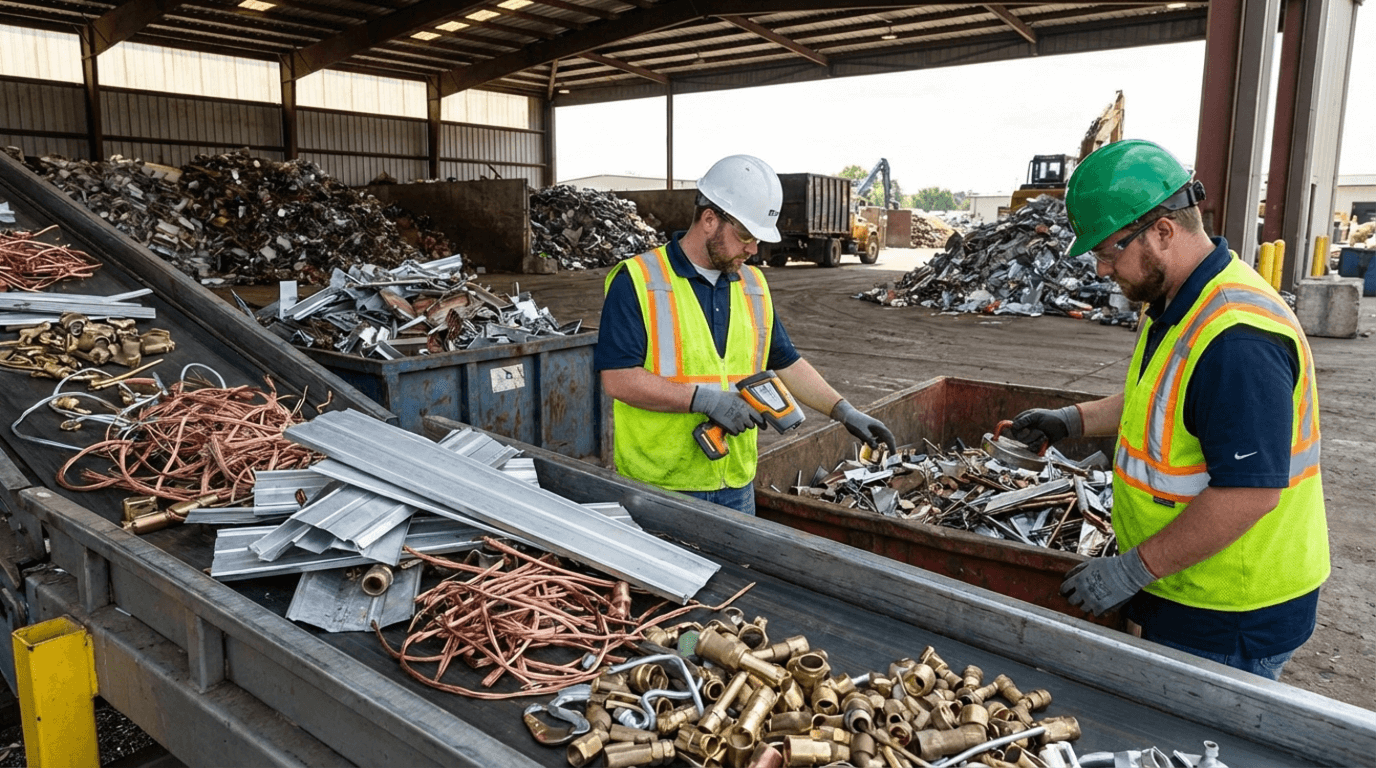
- Copper scrap from electrical cables, pipes, and industrial equipment
- Brass and bronze scrap derived from fittings, valves, and machining waste
- Mixed non-ferrous scrap containing multiple alloys
Each category carries distinct expectations regarding alloy composition, cleanliness, and allowable attachments. Inspection verifies that the material presented aligns with the declared category and intended recycling application.
Aluminium, Copper, and Brass Inspection Rules
Aluminium, copper, and brass account for the majority of global non-ferrous scrap trade. Each metal presents unique inspection considerations due to differences in density, alloying elements, and contamination sensitivity.
Inspection rules are designed to ensure that scrap shipments deliver predictable metallurgical outcomes for recyclers and manufacturers.
Key inspection rules typically applied include:
- Verification of declared metal type and alloy family
- Confirmation that scrap is free from ferrous attachments
- Assessment of coatings, insulation, or surface treatments
- Evaluation of mixed alloy presence within a single consignment
By enforcing these rules, inspection agencies help prevent costly downstream sorting and processing issues. Consistent inspection also protects buyers from receiving material that cannot be processed as intended.
Grade Classification in Non-Ferrous Scrap Inspection
Grade classification is central to non-ferrous metal scrap inspection. Unlike ferrous scrap, where broad categories are common, non-ferrous scrap grades are often narrowly defined.
Correct classification ensures that buyers receive material suitable for their specific melting or refining processes.
Inspectors assess grade classification based on:
- Visual identification of metal type and form
- Known industry grading standards
- Alloy indicators such as color, weight, and structure
- Separation of mixed or ambiguous materials
Accurate grade classification protects both commercial value and technical integrity. When grades are misdeclared, disputes arise quickly and often irreversibly.
Visual and Physical Inspection of Non-Ferrous Scrap
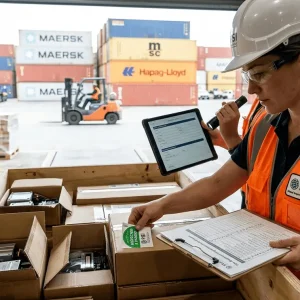
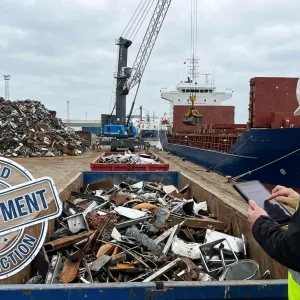
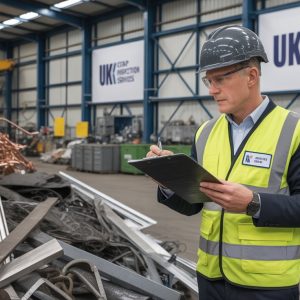
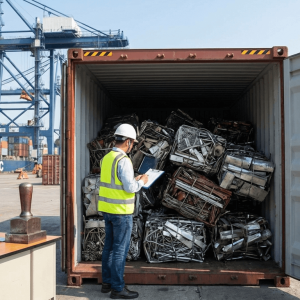
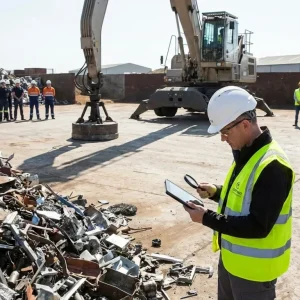
Visual and physical inspection remains the first line of evaluation for non-ferrous scrap. Although advanced testing may be available, experienced inspectors can identify many compliance issues through structured observation.
During visual inspection, inspectors examine the scrap for consistency, segregation, and visible contaminants.
Key aspects evaluated include:
- Uniformity of material within each lot
- Presence of foreign metals or mixed alloys
- Surface condition, including oxidation or coatings
- Size and form consistency
This hands-on assessment establishes whether the scrap meets declared specifications and whether further testing or segregation is required before shipment.
Quality and Purity Parameters in Non-Ferrous Scrap
Quality and purity are the defining characteristics of non-ferrous scrap value. Even small deviations can render a shipment unsuitable for its intended application.
Inspection agencies apply quality and purity parameters to ensure material performance remains predictable.
Common quality parameters include:
- Maximum allowable contamination percentage
- Limits on non-target metals
- Restrictions on attached materials such as plastics or rubber
- Acceptable levels of oxidation or surface treatment
By enforcing these parameters, inspection ensures that scrap shipments remain economically viable and technically suitable for recycling.
Contamination and Moisture Checks
Contamination and moisture pose particular risks in non-ferrous scrap trade. Moisture can cause safety hazards during melting, while contamination reduces yield and increases emissions.
Inspection includes targeted checks to identify these issues before shipment.
Typical contamination and moisture checks focus on:
- Presence of oils, greases, or chemical residues
- Water trapped within hollow sections or bundles
- Plastic insulation on wires or cables
- Dirt, dust, or embedded foreign matter
Identifying these risks at origin allows exporters to take corrective action, avoiding rejection or penalties at destination ports.
Aluminium and Copper Scrap Inspection Process Explained
Aluminium and copper scrap inspection follows a structured process designed to eliminate ambiguity and ensure regulatory acceptance. Although the two metals differ, the inspection workflow remains broadly consistent.
Inspection typically progresses through defined stages:
- Review of declared grades and purchase contracts
- Physical and visual examination of material
- Contamination and moisture assessment
- Verification of segregation and packing
- Final compliance confirmation
This structured approach ensures that inspection findings are defensible, repeatable, and aligned with international expectations.
Certification and Documentation Requirements
Certification is the formal output of non-ferrous metal scrap inspection. Importing countries and buyers rely on inspection certificates as proof that due diligence has been performed.
Common documents issued include:
- Scrap Inspection Certificate
- Pre-Shipment Inspection Certificate (PSIC / PSIA)
- Detailed inspection reports with photographs
These documents accompany shipping paperwork and are often mandatory for customs clearance. Accurate documentation reduces delays and strengthens trade credibility.
Regulatory Expectations in Importing Countries
Many importing countries treat non-ferrous scrap as a controlled commodity due to its environmental and industrial significance. Regulations are designed to prevent waste dumping and protect recycling infrastructure.
Inspection services ensure alignment with regulations related to:
- Environmental protection
- Waste classification
- Customs and port safety
- Industrial recycling standards
By translating regulatory language into inspection criteria, agencies reduce uncertainty for exporters and importers alike.
Role of Third-Party Inspection Agencies
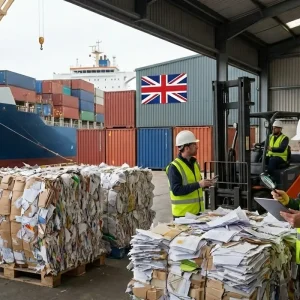
Third-party inspection agencies serve as independent compliance partners. Their neutrality is essential for acceptance by customs authorities and trading partners.
Independent inspection ensures:
- Objective assessment free from commercial bias
- Credible reporting recognized internationally
- Reduced dispute risk between buyers and sellers
In non-ferrous scrap trade, independence directly influences market access.
Commercial Value of Non-Ferrous Scrap Inspection
Beyond compliance, inspection delivers measurable commercial benefits. It protects transaction value, stabilizes supply chains, and enhances buyer confidence.
Inspection adds value by:
- Reducing rejection and re-export risk
- Supporting timely payment releases
- Strengthening long-term trade relationships
For high-value non-ferrous scrap, these benefits often outweigh inspection costs many times over.
MELT Enterprise Ltd and Non-Ferrous Scrap Inspection
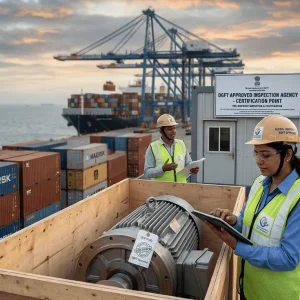
MELT Enterprise Ltd is a DGFT-approved Pre-Shipment Inspection Agency authorized to conduct non-ferrous metal scrap inspections across the UK and globally. Its inspectors apply consistent standards across aluminium, copper, brass, and mixed non-ferrous scrap consignments.
MELT’s approach combines regulatory awareness, field expertise, and detailed reporting, ensuring shipments meet both traditional expectations and evolving compliance requirements.
Sustainability and Responsible Non-Ferrous Scrap Trade
Non-ferrous scrap inspection supports sustainability by ensuring recyclable metals remain valuable resources rather than environmental liabilities. By controlling contamination and misclassification, inspection promotes efficient recycling and reduced resource extraction.
Responsible inspection aligns commercial success with environmental stewardship.
Future Outlook for Non-Ferrous Metal Scrap Inspection
As global demand for non-ferrous metals continues to grow, inspection standards will become increasingly stringent. While testing technologies may advance, the fundamentals of careful verification and independent certification will remain central.
Experience, consistency, and regulatory literacy will continue to define trusted inspection providers.
Closing Perspective
Non-ferrous metal scrap inspection is a discipline built on precision, accountability, and trust. In a trade where quality determines value, inspection ensures that expectations match reality.
For exporters, it protects market access. For importers, it guarantees performance. For regulators, it provides assurance that trade serves legitimate industrial and environmental purposes.
In global non-ferrous scrap markets, inspection remains the most reliable foundation for sustainable trade.