Introduction: Why Import Export Scrap Inspection Has Become Non-Negotiable
Scrap is no longer just leftover material waiting to be reused. Today, it is a strategic raw material feeding steel plants, paper mills, foundries, and recycling facilities across the world.
Yet scrap is also one of the most regulated commodities in international trade.
Over the past two decades, governments have tightened import and export controls on scrap to prevent:
- Illegal dumping of waste
- Cross-border movement of hazardous materials
- Environmental and public health risks
This is why import export scrap inspection has moved from being a “best practice” to a mandatory requirement in many countries.
For traders who understand this reality, inspection is not an obstacle—it is a safeguard.
What Is Import Export Scrap Inspection?
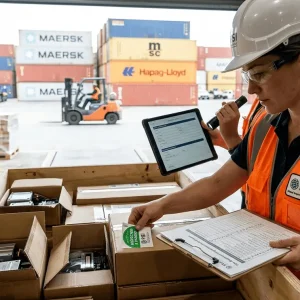
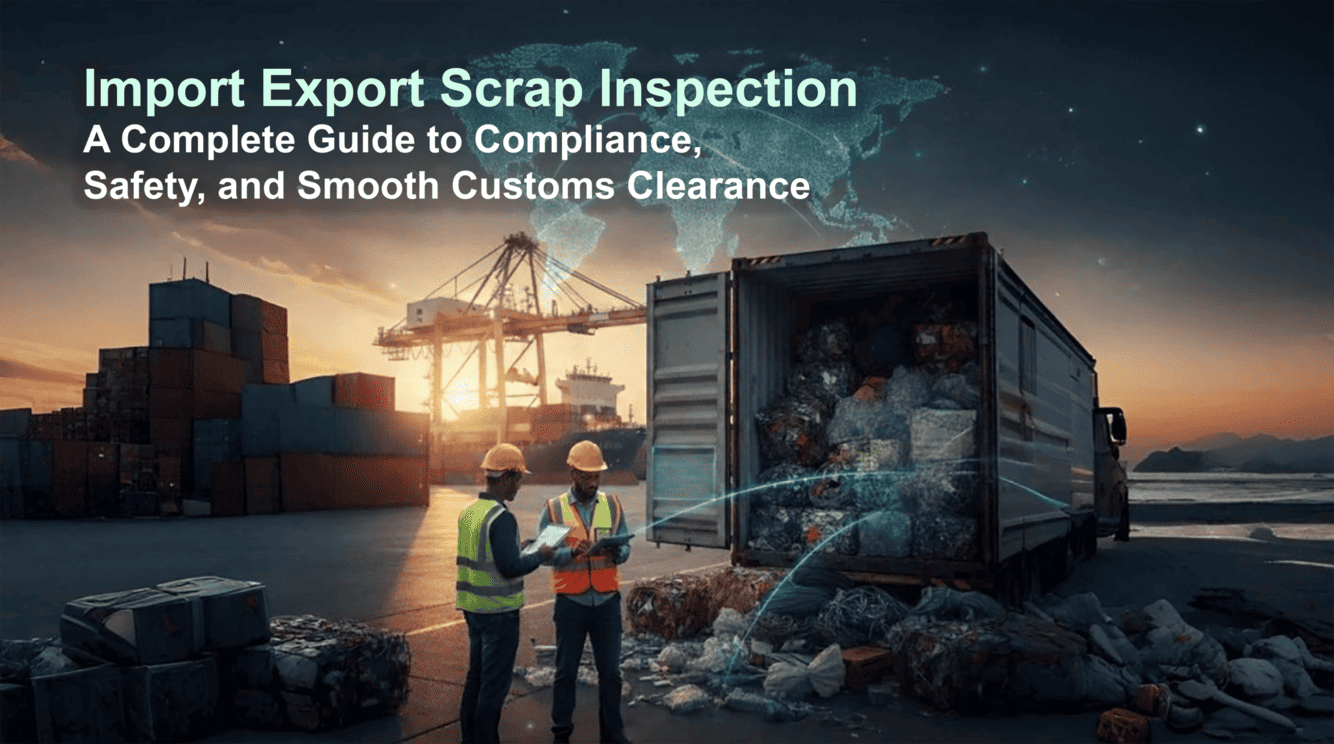
Import export scrap inspection is a third-party verification process carried out to ensure scrap consignments comply with:
- Exporting country regulations
- Importing country laws
- Environmental and safety standards
- Contractual scrap specifications
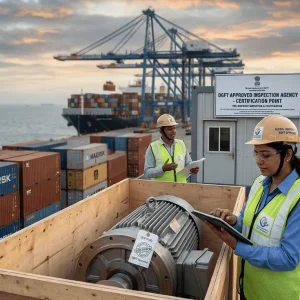
The inspection typically takes place before shipment, at the exporter’s premises or port of loading, and results in an official Scrap Inspection Certificate or PSIC.
This certificate is presented to customs authorities during import clearance.
Why Scrap Trade Requires Special Inspection Controls
Unlike finished goods, scrap:
- Has variable composition
- May contain contaminants
- Can hide prohibited or hazardous materials
In the past, scrap shipments were misused to transport:
- Municipal waste
- Medical waste
- Radioactive or toxic materials
These abuses triggered stricter laws worldwide, making inspection a frontline defense mechanism.
Import Scrap Inspection: Protecting the Destination Country
Environmental Safeguards
Importing countries rely on scrap inspection to:
- Prevent environmental damage
- Protect domestic recycling industries
- Enforce waste management laws
Inspection ensures scrap entering the country is:
- Recyclable
- Properly segregated
- Free from prohibited content
Customs and Regulatory Compliance
From a customs perspective, inspection:
- Confirms correct declaration
- Reduces port-level inspections
- Speeds up cargo clearance
Without inspection, authorities are forced to conduct detailed checks at port—causing delays and costs.
Export Scrap Inspection: Protecting the Shipper
Exporters also benefit from inspection.
A certified shipment:
- Demonstrates transparency
- Reduces disputes with buyers
- Minimizes rejection risk
- Strengthens long-term trade relationships
In many contracts, inspection certification is a payment condition.
Countries Where Import Export Scrap Inspection Is Mandatory
While regulations vary, inspection is commonly required for scrap imports into:
- India
- Indonesia
- Philippines
- Many African nations
- Parts of the Middle East
Even where not legally mandated, inspection is often commercially required by buyers and insurers.
Import Export Scrap Inspection Process: Step-by-Step
A professional inspection follows a structured workflow.
Step 1: Regulatory Review
- Import regulations of destination country
- Export controls of origin country
- Contractual scrap specifications
Step 2: Documentation Verification
- Invoice and packing list
- Scrap grade declaration
- Export permits (if required)
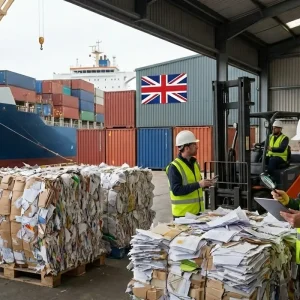
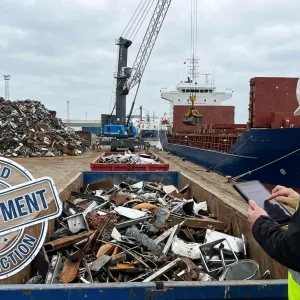
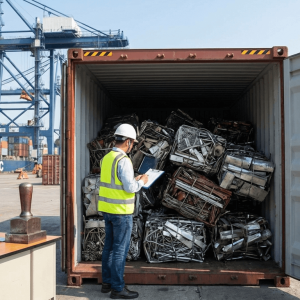
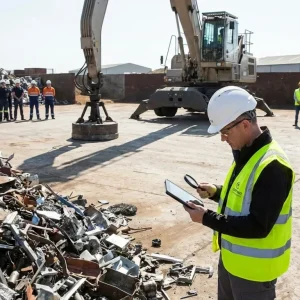
Step 3: Physical Scrap Inspection
- Scrap type verification
- Cleanliness and segregation
- Detection of foreign materials
Step 4: Contamination Assessment
Inspectors look for:
- Plastics, rubber, wood
- Oils and greases
- Hazardous or medical waste
Step 5: Radiation Screening
Metal scrap is scanned using radiation detection equipment to ensure safety compliance.
Step 6: Loading Supervision
- Container stuffing observation
- Weight verification
- Seal application and recording
Step 7: Certification
- Inspection report
- Photo documentation
- Issuance of Scrap Inspection Certificate / PSIC
Scrap Inspection Certificate in Import Export Trade
The certificate confirms that:
- Scrap matches declared description
- Shipment complies with regulations
- Goods are safe for recycling
Customs authorities rely heavily on this document to approve entry.
Without it, cargo may be:
- Held for re-inspection
- Rejected
- Ordered for re-export or destruction
Role of Third-Party Inspection in Import Export Scrap Trade
Third-party inspection agencies act as neutral compliance partners.
Their independence ensures:
- Credibility with customs
- Trust between buyer and seller
- Reduced regulatory risk
For governments, third-party inspection is an extension of enforcement without expanding customs manpower.
Import Export Scrap Inspection vs General Cargo Inspection
| Aspect | Scrap Inspection | General Cargo Inspection |
|---|---|---|
| Contamination Control | Critical | Limited |
| Radiation Screening | Mandatory | Rare |
| Environmental Focus | High | Low |
| Customs Sensitivity | High | Moderate |
Scrap inspection demands specialized expertise—general inspection simply isn’t enough.
Common Causes of Scrap Shipment Rejection
Despite inspections, problems arise when:
- Incorrect scrap declared
- Excess contamination
- Poor segregation
- Use of non-approved inspection agency
Choosing an experienced, authorized agency significantly reduces these risks.
DGFT and Import Export Scrap Inspection for India
India enforces strict scrap import regulations, requiring:
- Pre-shipment inspection
- DGFT-approved inspection agencies
- PSIC issuance
Failure to comply can result in:
- Cargo rejection
- Importer penalties
- License suspension
This makes agency selection critical.
Why MELT Enterprise Ltd Is Trusted for Import Export Scrap Inspection
MELT Enterprise Ltd is a DGFT-approved pre-shipment inspection agency, headquartered in the UK and authorized across:
- United Kingdom & Europe
- USA & the Americas
- Africa & Middle East
- Asia-Pacific
Key Advantages:
- Scrap-focused inspection expertise
- Deep regulatory knowledge
- Radiation and contamination screening
- Globally accepted certification
MELT understands that import export scrap inspection is about preventing problems before they travel.
Import Export Scrap Inspection and Sustainable Trade
Inspection supports:
- Responsible recycling
- Circular economy goals
- Environmental protection
By stopping illegal waste movement, inspection strengthens legitimate scrap trade worldwide.
The Future of Import Export Scrap Inspection
The industry is moving toward:
- Digital inspection reports
- Real-time documentation
- Tighter contamination thresholds
Yet the core principle remains unchanged: inspect before you ship.
Final Thoughts
Import export scrap inspection is not red tape—it is trade protection.
It safeguards:
- Importers
- Exporters
- Governments
- The environment
For businesses operating in global scrap markets, inspection is not optional. It is the foundation of lawful, sustainable trade.