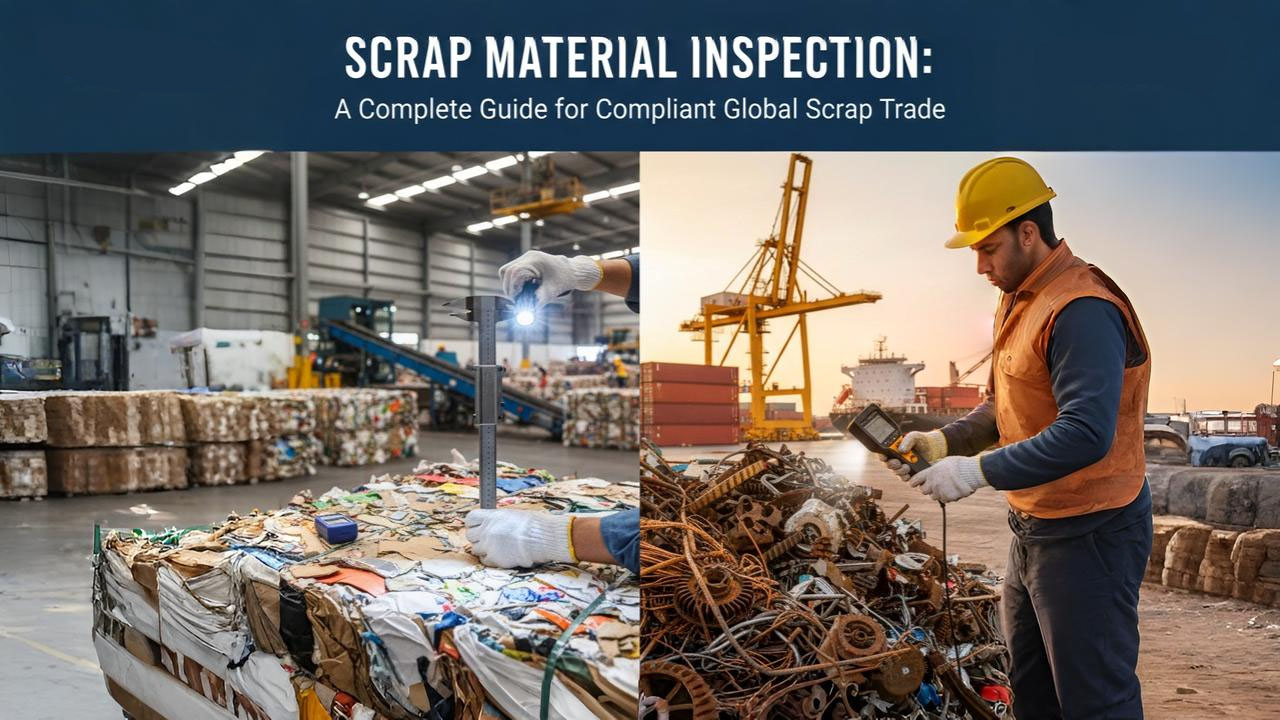
Introduction: Why Scrap Material Inspection Matters More Than Ever
Scrap material has become one of the most actively traded commodities in global recycling and manufacturing supply chains. From steel mills and paper processors to aluminium smelters and plastic recyclers, industries rely on scrap to reduce costs, conserve resources, and meet sustainability targets.
Yet scrap is not a “simple” commodity.
Unlike finished goods, scrap materials vary widely in composition, cleanliness, origin, and contamination risk. This variability makes scrap material inspection a critical control point—especially for international trade.
Countries across Asia, Africa, Europe, and the Americas now enforce strict import regulations to prevent:
- Hazardous waste dumping
- Radioactive material entry
- Excessive contamination
- Environmental non-compliance
This is where independent scrap material inspection, conducted before shipment, plays a decisive role.
What Is Scrap Material Inspection?
Scrap material inspection is a systematic evaluation of scrap consignments to verify that they comply with:
- Contractual specifications
- Importing country regulations
- Environmental and safety standards
The inspection assesses whether the scrap:
- Matches the declared type and grade
- Falls within permitted contamination limits
- Is free from prohibited or hazardous materials
- Is safe for transport, handling, and recycling
The outcome of this inspection is often a Scrap Inspection Certificate or Pre-Shipment Inspection Certificate (PSIC)—a mandatory document for customs clearance in many countries.
Types of Scrap Covered Under Scrap Material Inspection
Scrap material inspection is not limited to one category. A comprehensive inspection agency evaluates multiple scrap streams, including:
1. Metal Scrap
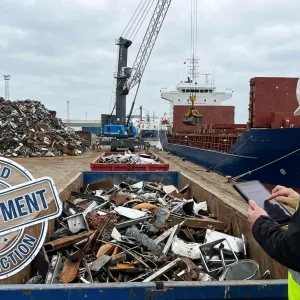
- Ferrous scrap (HMS, shredded steel, cast iron)
- Non-ferrous scrap (aluminium, copper, brass, zinc)
2. Paper Scrap
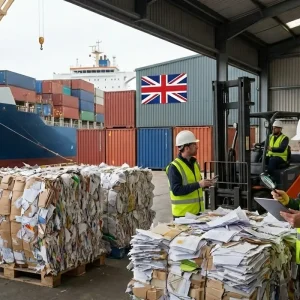
- OCC, ONP, SOP, mixed paper
- Sorted and baled paper waste
3. Electronic Scrap (Where Permitted)
- E-waste components (subject to strict controls)
4. Mixed Recycling Scrap
- Industrial scrap blends requiring segregation verification
Each category requires specialized inspection protocols, trained inspectors, and country-specific knowledge.
Why Scrap Material Inspection Is Mandatory for Importers
Regulatory Enforcement Is No Longer Optional
Many importing countries—particularly India, Indonesia, Philippines, African nations, and parts of the Middle East—require pre-shipment inspection by an approved third-party agency.
Failure to comply can result in:
- Cargo rejection at port
- Heavy demurrage and storage charges
- Blacklisting of exporter or importer
- Environmental penalties
Environmental and Safety Concerns
Uninspected scrap shipments have historically been used to:
- Conceal hazardous waste
- Export contaminated or radioactive materials
- Bypass waste management laws
Scrap material inspection acts as a preventive environmental safeguard, not just a trade formality.
Scrap Material Inspection Process: Step-by-Step
A professional inspection agency like MELT Enterprise Ltd follows a structured, transparent process.
Step 1: Document Review
- Purchase order and sales contract
- Scrap specification and grade
- Import regulations of destination country
Step 2: Visual and Physical Examination
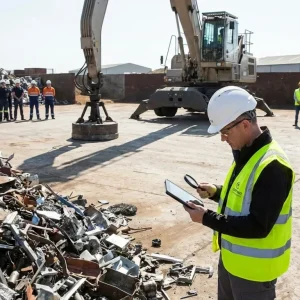
- Scrap type verification
- Segregation accuracy
- Condition and cleanliness
Step 3: Contamination Assessment
Inspectors check for:
- Plastics, rubber, wood
- Oils, greases, residues
- Pressurized containers
- Medical or hazardous waste
Step 4: Radiation Detection
Using calibrated radiation detection equipment to ensure:
- No radioactive contamination
- Compliance with safety thresholds
Step 5: Weight and Packaging Verification
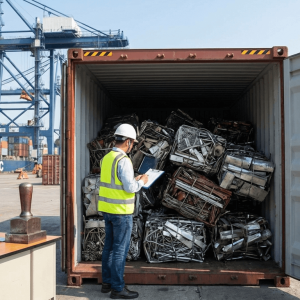
- Container loading supervision
- Baling quality and density
- Seal verification
Step 6: Reporting and Certification
- Detailed inspection report
- Photo documentation
- Issuance of Scrap Inspection Certificate / PSIC
Scrap Material Inspection Checklist: What Inspectors Look For
A standardized checklist ensures consistency and regulatory compliance:
- Correct scrap category and grade
- Absence of prohibited materials
- Contamination within allowed limits
- Safe handling and transport readiness
- Compliance with destination country laws
This checklist forms the foundation for certification decisions.
Scrap Material Inspection Requirements by Importing Country
Each country defines its own thresholds and requirements.
Common Regulatory Requirements Include:
- Pre-Shipment Inspection by approved agency
- Issuance of PSIC or equivalent certificate
- Radiation-free declaration
- Photo and inspection report submission
Example:
- India requires PSIC from DGFT-approved agencies
- Indonesia & Philippines require inspection at loading port
- African nations enforce environmental compliance checks
Understanding these differences is critical—one inspection standard does not fit all.
Role of Third-Party Scrap Material Inspection Agencies
Independent inspection agencies provide:
- Neutral verification
- Regulatory expertise
- Risk mitigation for both exporter and importer
A third-party agency ensures:
- No conflict of interest
- International acceptance of certificates
- Compliance credibility at customs
For importers, this means smoother clearance.
For exporters, it means fewer disputes and faster payments.
Scrap Material Inspection Certificate: Why It Matters
The Scrap Inspection Certificate is more than paperwork.
It:
- Confirms regulatory compliance
- Protects importers from penalties
- Protects exporters from rejection claims
- Enables customs clearance
Without it, shipments may be delayed, detained, or denied entry.
Common Causes of Scrap Shipment Rejection
Despite inspections, shipments can fail when:
- Incorrect scrap declared
- Excess contamination
- Hidden hazardous waste
- Poor loading practices
Choosing an experienced inspection agency reduces these risks significantly.
Why Choose MELT Enterprise Ltd for Scrap Material Inspection
MELT Enterprise Ltd stands apart as a DGFT-approved Pre-Shipment Inspection Agency, authorized across:
- UK & Europe
- Americas
- Africa
- Middle East
- Asia-Pacific
Key Strengths:
- Globally trained inspectors
- Country-specific regulatory expertise
- Transparent reporting
- Fast certification turnaround
Their inspections are accepted by customs authorities worldwide, giving traders confidence and continuity.
Scrap Material Inspection and Sustainable Trade
Beyond compliance, inspection supports:
- Responsible recycling
- Environmental protection
- Circular economy goals
By preventing illegal waste movement, scrap material inspection safeguards both industry and the planet.
Future of Scrap Material Inspection
The industry is evolving toward:
- Digital inspection reports
- Real-time photo documentation
- Enhanced radiation screening
- Stricter contamination thresholds
Inspection agencies that combine experience with adaptability will define the next era of compliant scrap trade.
Final Thoughts
Scrap material inspection is not an obstacle—it is a trade enabler.
It builds trust between exporter, importer, and regulator.
It protects businesses from financial loss.
And it ensures global recycling operates responsibly.
For companies engaged in international scrap trade, choosing the right inspection partner is not optional—it is strategic.