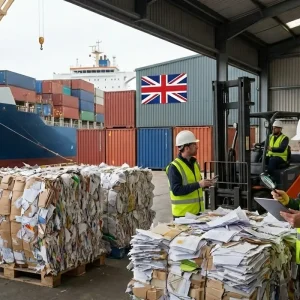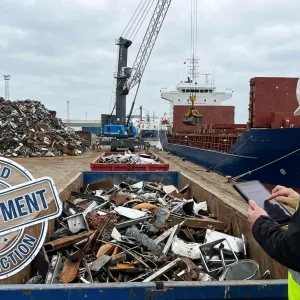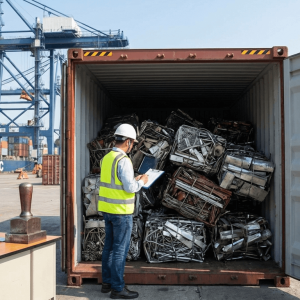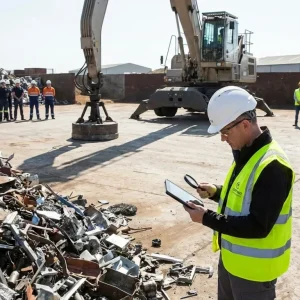
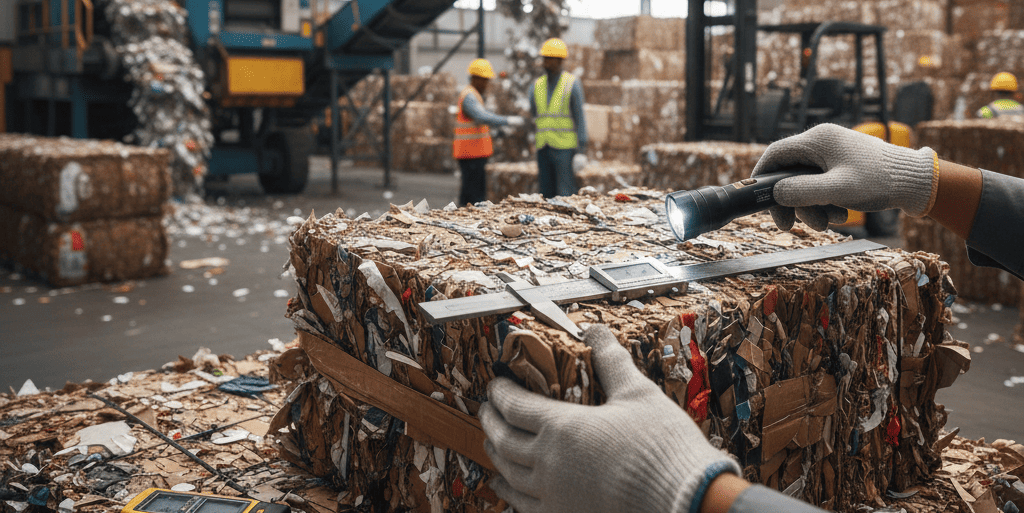
Paper scrap inspection has quietly become one of the most regulated and scrutinized segments of global waste and recycling trade. What was once viewed as low-risk recyclable material is now closely monitored due to contamination, mis-declaration, and environmental concerns.
Governments, customs authorities, and environmental regulators increasingly treat paper scrap as controlled waste, not just recyclable input. As a result, pre-shipment inspection of paper scrap is mandatory for many importing countries, including India under DGFT regulations, and heavily enforced across Asia, Africa, and parts of Europe.
This guide explains what paper scrap inspection involves, why contamination control is critical, how inspections are conducted, and how working with a DGFT-approved pre-shipment inspection agency such as MELT Enterprise Ltd ensures smooth customs clearance and regulatory compliance.
What Is Paper Scrap Inspection?
Paper scrap inspection is a systematic physical and documentary examination of paper and cardboard waste conducted prior to shipment. The objective is to confirm that the consignment:
- Matches the declared paper scrap grade
- Is free from prohibited or hazardous materials
- Meets contamination limits prescribed by importing authorities
- Is suitable for recycling and reuse
- Complies with environmental and customs regulations
Unlike metal scrap, paper scrap presents unique risks—hidden contaminants, mixed municipal waste, moisture, and undeclared materials—making inspection essential rather than optional.
Why Paper Scrap Inspection Is Mandatory in Today’s Trade Environment
Paper scrap is often sourced from post-consumer waste streams. Without inspection, shipments may contain materials that importing countries explicitly prohibit.
Key Reasons Paper Scrap Inspection Is Required
- Protection against illegal waste dumping
- Prevention of environmental pollution
- Safeguarding recycling infrastructure
- Compliance with DGFT and environmental norms
- Avoidance of customs detention and penalties
In recent years, port authorities worldwide have tightened controls, leading to a sharp rise in paper scrap shipment rejections due to contamination.
Paper Scrap Inspection vs Paper Waste Inspection
While closely related, the two terms are not identical.
| Aspect | Paper Scrap Inspection | Paper Waste Inspection |
|---|---|---|
| Purpose | Recycling suitability | Environmental compliance |
| Focus | Grade & contamination | Hazardous content |
| Authority | Customs & DGFT | Environmental agencies |
| Outcome | Import acceptance | Regulatory clearance |
Professional inspection agencies integrate both perspectives during pre-shipment inspection.
Related service: Paper Waste Inspection Services
Common Types of Paper Scrap Subject to Inspection
Paper scrap inspection applies to a wide range of recyclable paper materials, including:
- Old Corrugated Containers (OCC)
- Mixed paper
- Sorted office paper
- Newspaper (ONP/OIN)
- White ledger
- Duplex board scrap
Each category carries different contamination tolerance levels, making accurate declaration critical.
Paper Scrap Inspection Guidelines: What Inspectors Look For
Paper scrap inspection follows strict, clearly defined guidelines, often aligned with DGFT norms, importer specifications, and international recycling standards.
Key Inspection Criteria Include:
- Correct grade declaration
- Visual cleanliness
- Absence of prohibited waste
- Acceptable moisture levels
- Controlled contamination percentages
Detailed reference: Paper Scrap Inspection Guidelines
Paper Scrap Contamination: The Biggest Compliance Risk
Contamination is the primary reason paper scrap shipments fail inspection.
Common Contaminants Found in Paper Scrap
- Plastic films and laminates
- Food waste and organic matter
- Medical or sanitary waste
- Textile waste
- Metal, glass, or rubber
- Wet or mould-affected paper
Even small quantities can result in shipment rejection or forced re-export.
Understanding Paper Scrap Contamination Limits
Most importing countries impose strict contamination thresholds, typically expressed as a percentage of total shipment weight.
Key considerations:
- Contamination must be visible and removable
- Hazardous waste is zero-tolerance
- Moisture is often treated as contamination
- Mixed municipal waste is prohibited
In-depth guide: Paper Scrap Contamination Limits
Moisture Content & Paper Scrap Quality
Moisture is a hidden but serious issue in paper scrap shipments.
Why Moisture Matters
- Inflates shipment weight
- Encourages mould growth
- Reduces recycling efficiency
- Triggers customs suspicion
Inspectors ensure paper scrap is:
- Dry at the time of inspection
- Free from standing water
- Stored and packed appropriately
How Paper Scrap Inspection Is Conducted
Professional paper scrap inspection follows a step-by-step, auditable process.
1. Documentation Review
Inspectors verify:
- Commercial invoice
- Packing list
- Scrap grade declaration
- Importer authorization
- Destination country requirements
2. Physical Visual Inspection
Inspection includes:
- Opening bales or containers
- Surface and internal checks
- Identification of mixed materials
3. Contamination Assessment
Inspectors assess:
- Type and volume of contaminants
- Moisture presence
- Prohibited materials
4. Sampling & Verification
Random sampling confirms:
- Grade consistency
- Uniformity across bales
- Compliance with contamination limits
5. Reporting & Certification
Findings are documented in:
- Inspection report
- Photographic evidence
- Non-conformance notes (if applicable)
This forms part of the pre-shipment inspection documentation.
Process overview: Pre-Shipment Inspection
Paper Scrap Inspection & PSIC Certification
For shipments to India, paper scrap inspection is directly linked to PSIC issuance.
Why PSIC Matters
- Mandatory for DGFT-regulated imports
- Required for customs clearance
- Confirms compliance at origin
If paper scrap fails inspection, PSIC cannot be issued, resulting in shipment delays or rejection.
Learn more: PSIC Certification
Common Reasons Paper Scrap Shipments Are Rejected
Experienced inspectors see recurring problems:
- Mixed grades in one shipment
- Excess plastic contamination
- Presence of municipal or food waste
- Wet or mouldy paper
- Incorrect documentation
Most failures stem from poor segregation and lack of pre-inspection planning.
Why Use a DGFT-Approved Inspection Agency
Paper scrap inspection holds legal value only when conducted by authorized inspection agencies.
Benefits of DGFT-Approved Inspectors
- Inspection reports accepted by customs
- Alignment with Indian import regulations
- Reduced risk of clearance delays
- Legally defensible certification
MELT Enterprise Ltd operates as a DGFT-approved pre-shipment inspection agency, authorized to inspect paper scrap shipments globally.
Authority reference: DGFT Approved Inspection Agency
Why MELT Enterprise Ltd for Paper Scrap Inspection
Paper scrap inspection demands experience, consistency, and regulatory awareness—qualities that MELT Enterprise Ltd brings to every assignment.
What Makes MELT Different
- DGFT approval for PSIC issuance
- Global inspection coverage
- Trained, independent inspectors
- Clear reporting and documentation
- Strong acceptance record at ports
Whether your shipment originates in the UK, Europe, the Americas, Africa, or Asia-Pacific, MELT ensures paper scrap inspections meet both environmental and customs expectations.
Final Thoughts
Paper scrap inspection is no longer a routine checkbox—it is a critical safeguard for global recycling trade.
With rising scrutiny on waste imports, even minor lapses can lead to shipment rejection, financial loss, and reputational damage. A thorough, independent inspection ensures paper scrap shipments are:
- Clean and correctly declared
- Compliant with contamination limits
- Accepted by customs authorities
- Ready for responsible recycling
By partnering with MELT Enterprise Ltd, importers and exporters gain assurance that their paper scrap shipments meet today’s regulatory realities—and tomorrow’s expectations.