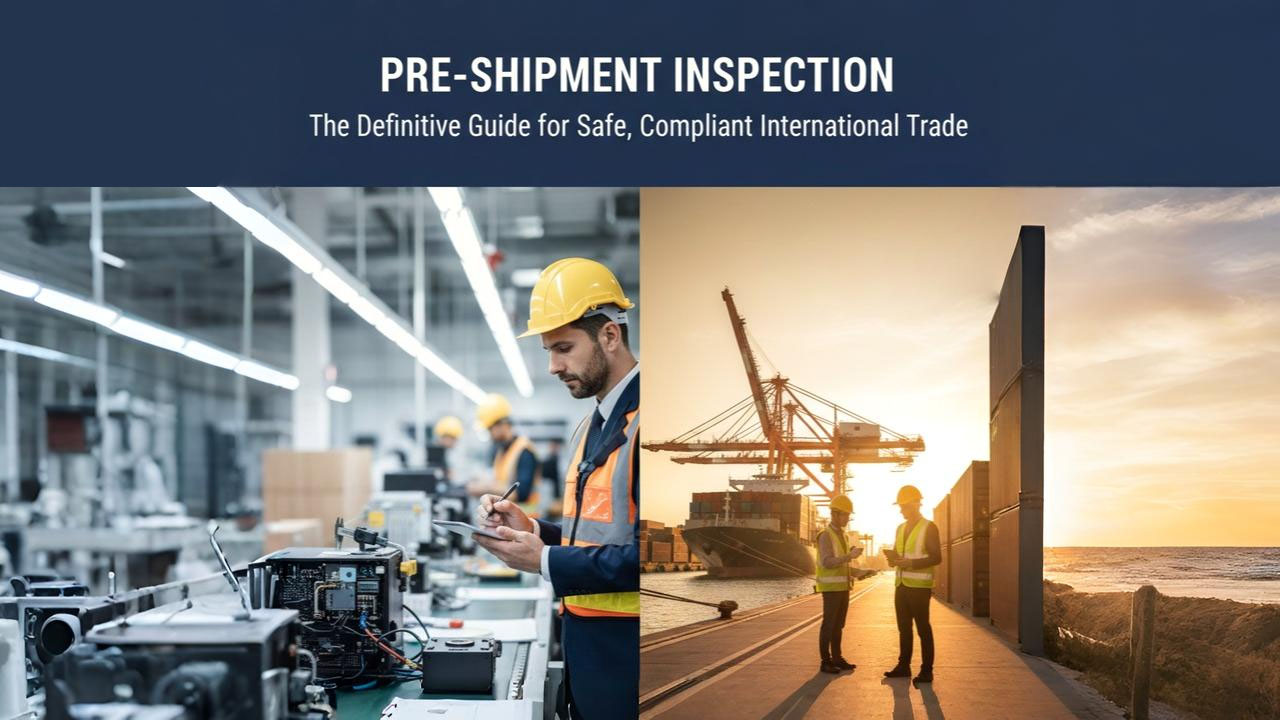
Introduction: Why Pre-Shipment Inspection Is the Backbone of Global Trade
International trade has never been faster—or more regulated.
Goods move across borders in massive volumes, yet customs authorities are under increasing pressure to ensure that what enters their country is safe, compliant, accurately declared, and environmentally acceptable. This is where Pre-Shipment Inspection (PSI) becomes indispensable.
Pre-shipment inspection is not a bureaucratic hurdle. It is a risk-management tool—one that protects governments, importers, exporters, and the environment.
For commodities like scrap metal, paper waste, and recyclable materials, PSI is often mandatory, not optional. And when conducted by a recognized third-party inspection agency, it becomes the difference between smooth customs clearance and costly shipment rejection.
What Is Pre-Shipment Inspection?
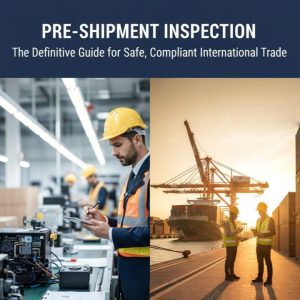
Pre-shipment inspection (PSI) is an independent verification process conducted before goods are shipped from the exporting country.
The inspection confirms that the shipment:
- Matches the contractual agreement
- Complies with importing country regulations
- Meets quality, quantity, and safety requirements
The inspection is carried out prior to loading or sealing of containers, and the findings are documented in an official Pre-Shipment Inspection Certificate—often required by customs authorities at the destination port.
Why Pre-Shipment Inspection Exists: A Practical Perspective
Historically, customs inspections were conducted only upon arrival. This led to:
- Port congestion
- Long clearance delays
- Increased demurrage costs
- Frequent disputes between buyers and sellers
Pre-shipment inspection shifts this control upstream, allowing issues to be identified before the cargo leaves the export port.
For governments, PSI:
- Reduces customs risk
- Prevents illegal imports
- Protects national environmental standards
For businesses, PSI:
- Minimizes financial exposure
- Improves trust between trading partners
- Ensures predictable delivery timelines
Pre-Shipment Inspection vs Destination Inspection
| Aspect | Pre-Shipment Inspection | Destination Inspection |
|---|---|---|
| Location | Exporting country | Importing country |
| Timing | Before shipment | After arrival |
| Risk Level | Low | High |
| Cost Impact | Controlled | Often expensive |
| Dispute Resolution | Preventive | Reactive |
Goods Commonly Covered Under Pre-Shipment Inspection
While PSI applies to many industries, it is critical for:
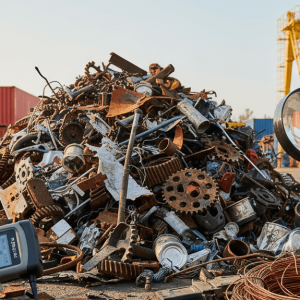
- Scrap metal (ferrous & non-ferrous)
- Paper and paper waste
- Recycling materials
- Used machinery
- Industrial raw materials
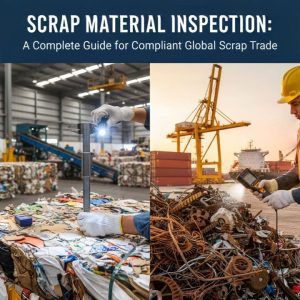
Scrap consignments, in particular, face the highest scrutiny due to contamination and environmental risk.
Pre-Shipment Inspection for Scrap Exports: Why It’s Mandatory
Scrap trade has been misused in the past to move:
- Hazardous waste
- Radioactive materials
- Non-recyclable garbage
As a result, many countries now require PSI certificates for scrap imports, issued only by approved inspection agencies.
Without PSI:
- Scrap shipments can be rejected at port
- Import licenses may be suspended
- Exporters may be blacklisted
PSI ensures scrap shipments are:
- Properly classified
- Clean and safe
- Free from prohibited materials
Pre-Shipment Inspection Procedure: Step-by-Step
A professional PSI follows a structured, transparent workflow.
Step 1: Pre-Inspection Planning
- Review contract and specifications
- Confirm destination country regulations
- Align inspection scope with importer requirements
Step 2: Document Verification
- Invoice and packing list
- Export documentation
- Scrap grade declaration (if applicable)
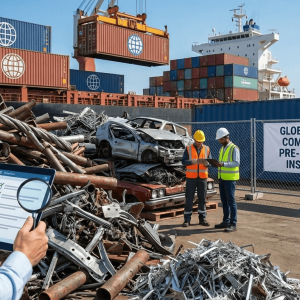
Step 3: Physical Inspection
- Visual assessment of goods
- Quantity verification
- Condition and packaging review
Step 4: Safety and Compliance Checks
- Radiation detection (for scrap)
- Contamination assessment
- Prohibited material screening
Step 5: Loading Supervision
- Container stuffing supervision
- Weight verification
- Seal application and recording
Step 6: Reporting and Certification
- Inspection report preparation
- Photo documentation
- Issuance of PSI / PSIC certificate
This process ensures full traceability and accountability.
Pre-Shipment Inspection Certificate: What It Confirms
A PSI certificate typically confirms:
- Description of goods
- Quantity and weight
- Compliance with import regulations
- Inspection date and location
- Approval for shipment
Customs authorities rely on this certificate to accelerate clearance and reduce inspection duplication.
Who Requires Pre-Shipment Inspection?
Importing Governments
To enforce:
- Environmental laws
- Safety standards
- Customs compliance
Importers
To:
- Protect against sub-standard shipments
- Avoid rejection and penalties
- Ensure contract compliance
Exporters
To:
- Demonstrate transparency
- Reduce disputes
- Secure timely payment
PSI protects all parties equally.
Role of Third-Party Pre-Shipment Inspection Agencies
An independent inspection agency:
- Has no stake in the transaction
- Operates under international standards
- Is recognized by customs authorities
Third-party PSI ensures neutrality and credibility—two qualities customs officials trust most.
DGFT and Pre-Shipment Inspection for India-Bound Cargo
India mandates pre-shipment inspection for scrap imports, requiring:
- DGFT-approved inspection agencies
- PSIC issuance
- Inspection at loading port
Failure to comply can result in:
- Cargo denial
- Heavy penalties
- Importer license suspension
MELT Enterprise Ltd is DGFT approved, making its certificates fully acceptable for Indian imports.
Common Reasons PSI Fails (And How to Avoid Them)
- Incorrect goods description
- Excess contamination
- Inadequate documentation
- Poor container loading
Experienced inspection agencies identify these risks early—before shipment.
Why Choose MELT Enterprise Ltd for Pre-Shipment Inspection
MELT Enterprise Ltd is a globally authorized pre-shipment inspection agency, operating across:
- United Kingdom & Europe
- Americas
- Africa
- Middle East
- Asia-Pacific
What Sets MELT Apart:
- DGFT approval
- Scrap inspection specialization
- Country-specific compliance knowledge
- Fast, transparent certification
Their inspections are trusted by customs authorities worldwide.
Pre-Shipment Inspection and the Future of Trade
As regulations tighten, PSI will continue to evolve:
- Digital reporting
- Real-time inspection updates
- Enhanced safety screening
Companies that embed PSI into their supply chain will remain competitive and compliant.
Final Thoughts
Pre-shipment inspection is not a formality—it is a strategic safeguard.
It prevents costly mistakes, protects reputations, and ensures goods move smoothly across borders. For regulated commodities like scrap, PSI is the foundation of lawful, sustainable trade.
Choosing the right inspection partner is not just about compliance—it is about confidence.