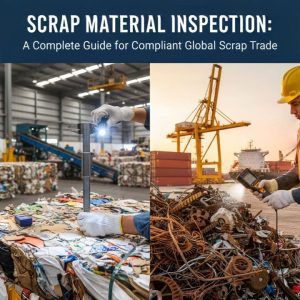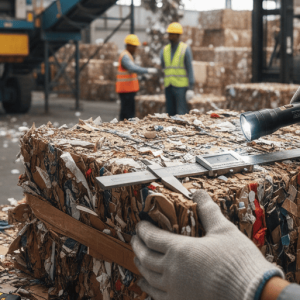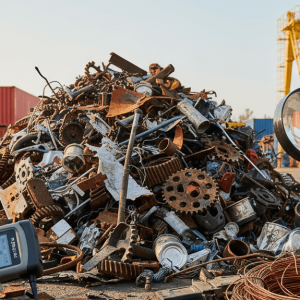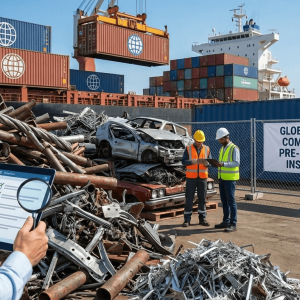
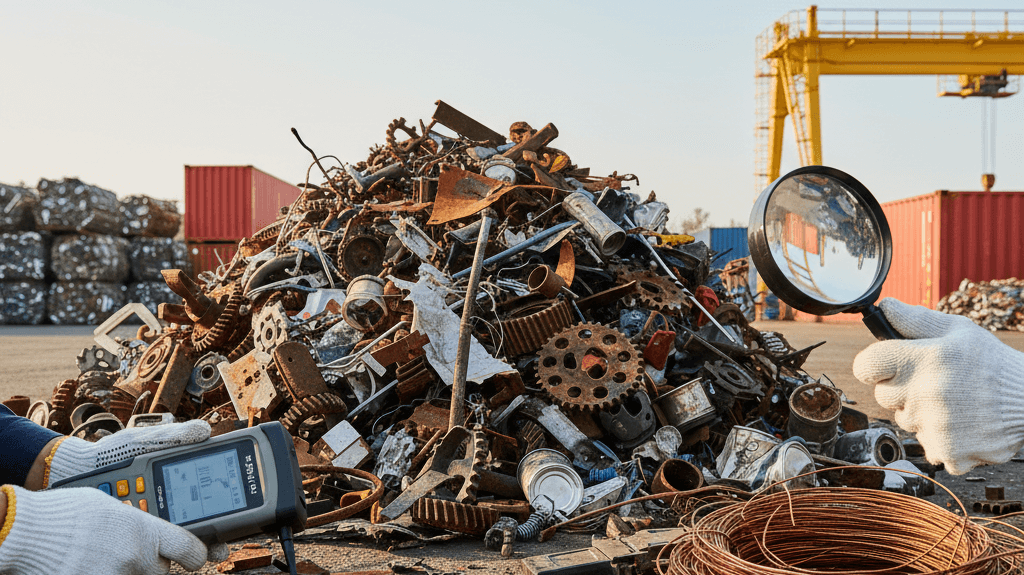
Metal scrap quality inspection sits at the heart of responsible global scrap trade. While metal scrap inspection focuses on safety and regulatory clearance, quality inspection goes a step further—verifying whether the scrap meets contractual, industrial, and recycling standards expected by importers and authorities.
In today’s tightly regulated environment, a shipment can be radiation-free yet still fail at port due to poor quality, excessive contamination, or mis-declared grades. This is why metal scrap quality inspection has become a critical compliance layer, particularly for imports into countries governed by DGFT regulations, environmental laws, and strict recycling norms.
This guide explains what metal scrap quality inspection involves, how quality is measured, why contamination control is essential, and how working with an authorized pre-shipment inspection agency like MELT Enterprise Ltd protects your shipment and reputation.
What Is Metal Scrap Quality Inspection?
Metal scrap quality inspection is a structured evaluation of scrap material characteristics to confirm that the shipment:
- Matches the declared scrap grade
- Meets physical and chemical quality parameters
- Contains acceptable levels of impurities
- Is suitable for recycling or industrial reuse
- Complies with buyer, regulatory, and environmental expectations
Unlike general scrap inspection, which prioritizes safety and legality, quality inspection focuses on commercial usability. It answers a simple but critical question:
Is this scrap fit for purpose—and fit for import?
Why Metal Scrap Quality Inspection Is Critical in International Trade
Poor-quality scrap does more than frustrate buyers—it disrupts entire supply chains.
Real-World Consequences of Poor Scrap Quality
- Shipment rejection at port
- Forced re-export or destruction
- Financial penalties and demurrage
- Loss of importer licenses
- Long-term damage to exporter credibility
As global regulators tighten controls on waste movement, quality failures are increasingly treated as compliance violations, not commercial disputes.
Metal Scrap Quality vs Metal Scrap Safety Inspection
| Aspect | Safety Inspection | Quality Inspection |
|---|---|---|
| Focus | Hazard prevention | Material usability |
| Checks | Radiation, explosives, prohibited waste | Grade, purity, contamination |
| Risk | Legal & environmental | Commercial & operational |
| Outcome | Customs clearance | Buyer acceptance |
Related reading: Metal Scrap Inspection
Key Quality Parameters in Metal Scrap Inspection
1. Scrap Grade Verification
Correct grade declaration is the foundation of quality inspection. Inspectors verify:- Scrap type (HMS, shredded, aluminium, copper, etc.)
- Grade conformity with ISRI or contract specifications
- Consistency across containers or bundles
2. Purity & Composition
Scrap purity directly affects recycling efficiency. Inspection checks:- Presence of unwanted alloys
- Mixed metals in single-grade consignments
- Non-metallic inclusions
3. Contamination Levels
Contamination is the single most critical quality concern in metal scrap trade. Common contaminants include:- Plastics, rubber, wood
- Oil, grease, moisture
- Slag, dirt, and residues
- Municipal or hazardous waste
4. Moisture & Free Liquids
Excess moisture:- Increases shipment weight unfairly
- Creates corrosion risks
- Raises safety concerns during melting
- Free from standing water
- Within acceptable moisture limits
- Properly drained and stored
5. Size & Physical Condition
Scrap size affects handling and furnace compatibility. Inspectors assess:- Oversized or undersized pieces
- Sharp or dangerous projections
- Improperly processed scrap
Quality Inspection Parameters: Ferrous vs Non-Ferrous Scrap
Quality expectations vary significantly between ferrous and non-ferrous materials.
Ferrous Scrap Quality Checks
- Heavy melting scrap classification
- Absence of sealed containers
- Minimal non-metallic attachments
- Structural consistency
Related page: Ferrous Metal Scrap Inspection
Non-Ferrous Scrap Quality Checks
- Alloy identification
- Separation accuracy
- Oil, paint, and coating levels
- Copper or aluminium purity
Related page: Non-Ferrous Metal Scrap Inspection
Metal Scrap Contamination: Why It Is Taken So Seriously
Contaminated scrap is no longer viewed as a minor defect—it is considered a regulatory and environmental threat.
Why Authorities Crack Down on Contamination
- Protect recycling infrastructure
- Prevent hazardous waste imports
- Avoid pollution and workplace accidents
- Enforce international waste conventions
Even low-value contaminants can trigger customs holds or outright rejection.
How Metal Scrap Quality Inspection Is Conducted
Professional inspection agencies follow a methodical, auditable process to ensure accuracy and acceptance.
1. Pre-Inspection Review
- Scrap specifications
- Sales contracts
- Importer authorization
- Country-specific regulations
2. On-Site Physical Examination
- Visual inspection of scrap piles
- Random sampling
- Grade verification
3. Contamination Assessment
- Manual sorting checks
- Moisture observation
- Detection of foreign materials
4. Documentation & Reporting
- Photographic evidence
- Detailed inspection report
- Non-conformance notes (if any)
Quality findings are integrated into the pre-shipment inspection report.
See full workflow: Pre-Shipment Inspection
Metal Scrap Quality Inspection & PSIC Certification
For imports into India and other regulated markets, quality inspection forms a critical part of PSIC issuance.
Why Quality Matters for PSIC
- Mis-declared or contaminated scrap can invalidate certification
- Customs authorities rely on inspector findings
- Quality failures can override safety clearance
PSIC is only accepted when issued by DGFT-approved inspection agencies.
Learn more: PSIC Certification
Common Quality Failures in Scrap Shipments
Experienced inspectors encounter the same issues repeatedly:
- Mixed scrap grades in one container
- Excessive dirt or slag content
- Improperly drained scrap
- Misrepresentation of non-ferrous alloys
- Poor scrap processing at origin
Most of these failures are preventable with proper inspection planning.
Why Use a DGFT-Approved Agency for Quality Inspection
Quality inspection holds legal weight only when performed by authorized, independent agencies.
Advantages of DGFT-Approved Inspectors
- Reports accepted by customs
- Inspectors trained in regulatory compliance
- Reduced risk of disputes
- Faster clearance and processing
MELT Enterprise Ltd operates as a DGFT-approved, internationally authorized inspection agency, ensuring quality inspections are recognized across borders.
Authority page: DGFT Approved Inspection Agency
Why MELT Enterprise Ltd Is Trusted for Metal Scrap Quality Inspection
MELT combines technical expertise with regulatory authority, offering inspection services that go beyond checkbox compliance.
What Sets MELT Apart
- DGFT authorization for PSIC
- Global inspection coverage
- Experienced scrap inspection professionals
- Clear, defensible reporting
- Strong acceptance history at ports worldwide
Whether your scrap originates in the UK, Europe, the Americas, Africa, or Asia-Pacific, MELT ensures your shipment meets quality expectations before it leaves port.
Final Thoughts
Metal scrap quality inspection is not about perfection—it is about predictability, compliance, and trust.
In a global trade environment shaped by regulation and scrutiny, quality failures are costly and reputation-damaging. A thorough, independent quality inspection ensures that scrap shipments are:
- Fit for recycling
- Aligned with buyer expectations
- Compliant with regulations
- Accepted without dispute
By partnering with a trusted inspection agency like MELT Enterprise Ltd, importers and exporters gain more than certification—they gain confidence at every stage of the trade cycle.