Metal Scrap Inspection: A Complete Guide for Importers & Exporters
Metal scrap inspection is no longer just a procedural step in international trade—it is a critical compliance safeguard for importers, exporters, customs authorities, and environmental regulators worldwide. With increasing global scrutiny on hazardous waste, radioactive contamination, and prohibited materials, governments now demand strict pre-shipment inspection of metal scrap before it crosses borders.
For countries like India, metal scrap imports are regulated under DGFT guidelines, making PSIC (Pre-Shipment Inspection Certificate) mandatory for most consignments. Similar regulatory frameworks exist across Europe, the UK, Africa, Asia-Pacific, and the Americas.
This guide explains what metal scrap inspection really involves, why it matters, how it is conducted, and how working with a DGFT-approved, internationally authorized inspection agency like MELT Enterprise Ltd protects your shipment, reputation, and business continuity.
What Is Metal Scrap Inspection?
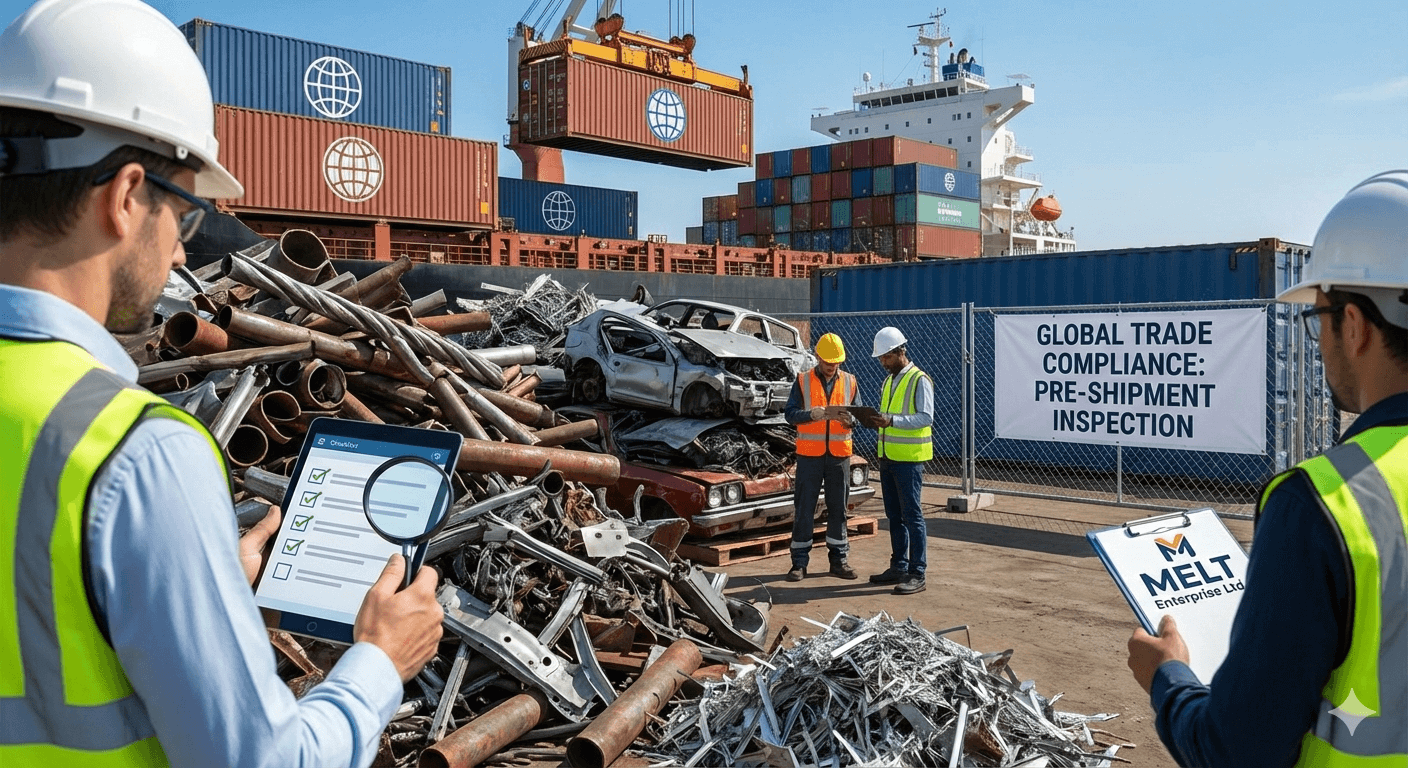
Metal scrap inspection is a systematic physical and documentary examination of metal scrap consignments carried out before shipment from the exporting country. The purpose is to verify that the scrap:
-
Matches the declared description
-
Is free from hazardous, radioactive, explosive, or prohibited materials
-
Meets importing country regulations
-
Complies with environmental and safety standards
-
Is suitable for recycling or industrial reuse
Unlike general quality checks, metal scrap inspection focuses heavily on risk prevention—protecting ports, workers, recycling plants, and the environment from dangerous imports.
Why Metal Scrap Inspection Is Mandatory in Global Trade
Metal scrap may look harmless, but historically it has been linked to serious incidents including:
-
Explosions caused by sealed containers or ammunition
-
Radiation exposure from contaminated scrap
-
Environmental damage due to toxic waste imports
-
Port shutdowns and shipment rejections
To mitigate these risks, governments require inspection by independent third-party agencies before shipment.
Key Reasons Metal Scrap Inspection Is Required
-
Customs clearance compliance
-
DGFT & environmental regulation adherence
-
Prevention of radioactive and hazardous waste imports
-
Avoidance of detention, fines, and blacklisting
-
Protection of recycling infrastructure
Metal Scrap Inspection Standards & Regulatory Framework
Metal scrap inspection does not follow a single global rulebook. Instead, inspections are conducted under multiple overlapping standards, depending on the importing country.
Commonly Applied Standards
DGFT Scrap Import Policy (India)
ISRI (Institute of Scrap Recycling Industries) Guidelines
Customs & Port Authority Regulations
Environmental Protection Norms
Importer-specific contract specifications
Inspection agencies must be capable of interpreting and applying all relevant standards simultaneously, especially for shipments destined for India, Africa, or Asia.
Detailed standards are covered in:
Metal Scrap Inspection Standards
Types of Metal Scrap Covered Under Inspection
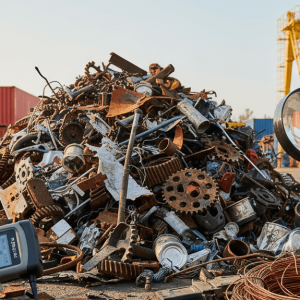
Metal scrap inspection applies to both ferrous and non-ferrous materials, each carrying distinct risks and inspection parameters.
Ferrous Metal Scrap
HMS 1 & 2
Shredded scrap
Heavy melting scrap
Cast iron scrap
Risks: sealed containers, explosives, radioactive contamination
Learn more: Ferrous Metal Scrap Inspection
Non-Ferrous Metal Scrap
Aluminium scrap
Copper scrap
Brass scrap
Zinc & mixed alloys
Risks: mis-declaration, excessive contamination, oil & moisture content
Learn more: Non-Ferrous Metal Scrap Inspection
The Metal Scrap Inspection Process (Step-by-Step)
A professional metal scrap inspection follows a structured, auditable process to ensure regulatory acceptance.
1. Document Review
Inspectors verify:
Commercial invoice
Packing list
Shipping documents
Importer authorization
Scrap specification
Any discrepancy here can invalidate the inspection.
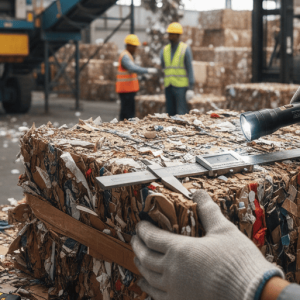
2. Physical Visual Inspection
Inspectors examine the scrap for:
Prohibited items
Sealed containers
Pressurized cylinders
Batteries, PCB waste, e-waste
3. Radiation Detection
Radiation checks are performed using certified radiation detection instruments to ensure scrap is free from radioactive contamination.
This step is mandatory for PSIC issuance.
4. Contamination Assessment
Inspection ensures scrap is free from:
Municipal waste
Medical waste
Hazardous substances
Excessive non-metallic material
5. Sampling & Verification
Random sampling verifies:
Scrap grade accuracy
Consistency across containers
Compliance with declared specifications
6. Sealing & Reporting
Once cleared:
Containers are sealed
Inspection report is issued
PSIC certificate is generated (where applicable)
Full breakdown: Metal Scrap Inspection Process
Non-Ferrous Metal Scrap
Aluminium scrap
Copper scrap
Brass scrap
Zinc & mixed alloys
Risks: mis-declaration, excessive contamination, oil & moisture content
Learn more: Non-Ferrous Metal Scrap Inspection
Pre-Shipment Inspection & PSIC Certification
For shipments to India and several other regulated markets, metal scrap inspection must be completed before shipment, followed by issuance of a Pre-Shipment Inspection Certificate (PSIC).
What Is PSIC?
PSIC certifies that:
Scrap was inspected at origin
Inspection complied with DGFT norms
Shipment is safe for import
Without PSIC:
Shipments may be rejected
Containers may be sent back
Importers may face penalties
Learn more: PSIC Certification
Role of a DGFT-Approved Inspection Agency
Not all inspection reports are accepted by customs authorities. Only inspections conducted by DGFT-approved agencies are recognized for PSIC purposes in India.
Why DGFT Approval Matters
Ensures legal validity of inspection
Protects importers from clearance issues
Confirms inspector competence & neutrality
MELT Enterprise Ltd is a DGFT-approved, internationally authorized pre-shipment inspection agency, operating across the UK, Europe, Americas, Africa, Asia-Pacific, and beyond.
Verify authority: DGFT Approved Inspection Agency
Common Mistakes Importers & Exporters Make
Despite regulations, many shipments still fail inspection due to avoidable errors:
-
Using non-approved inspection agencies
-
Incomplete documentation
-
Mis-declared scrap grades
-
Last-minute inspection bookings
-
Ignoring country-specific rules
Professional inspection planning prevents costly surprises.
Why Choose MELT Enterprise Ltd for Metal Scrap Inspection
MELT Enterprise Ltd combines regulatory authority with global operational reach, making it a preferred inspection partner for scrap traders worldwide.
What Sets MELT Apart
-
DGFT approved PSIC agency
-
Coverage across 50+ countries
-
Experienced inspectors
-
Fast reporting & certification
-
Acceptance by customs authorities globally
Whether you are exporting from the UK, Europe, USA, Africa, or Asia-Pacific, MELT ensures your metal scrap shipment meets every compliance requirement before it sails.
Final Thoughts
Metal scrap inspection is not a formality—it is a critical risk-management and compliance function in modern global trade. With tightening regulations and increasing scrutiny, working with an authorized, experienced inspection agency is no longer optional.
A properly conducted metal scrap inspection:
-
Protects ports and people
-
Ensures customs clearance
-
Prevents financial loss
-
Builds long-term trade credibility
For reliable, compliant, and globally accepted metal scrap inspection, MELT Enterprise Ltd delivers confidence at every shipment stage.